Get Full Government Meeting Transcripts, Videos, & Alerts Forever!
Get email alerts on the Land Use Housing topic
No spam. Unsubscribe anytime.
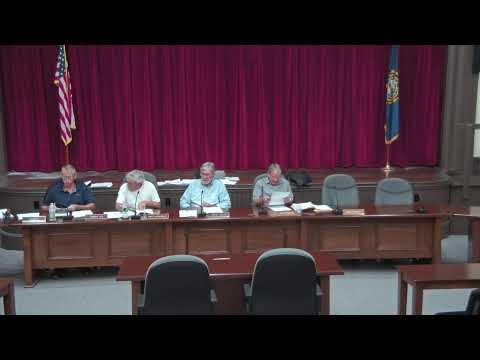
Alton ZBA says special-exception not required for one septic; approves two-unit density variance at Eagles Rest
Summary
At a Sept. 4 rehearing, the Alton Town Zoning Board of Adjustment found that a special exception for an individual sewage disposal system within the Aquifer Protection Overlay District was not required for one single‑family septic proposed inside the overlay at Eagles Rest and approved a density variance to allow two additional units.
At a Sept. 4 rehearing, the Alton Town Zoning Board of Adjustment found that a special exception for an individual sewage disposal system within the Aquifer Protection Overlay District was not required for one single‑family septic proposed inside the overlay at Eagles Rest, a 55‑home manufactured housing community, and approved a separate density variance to allow two additional units.
The applicant, represented by attorney Sean Dunphy of Cronin, Jasan & Zelensky, asked the board to rule that Article 602(c)(3) of the town zoning ordinance — the provision cited for special exceptions for septic discharges “other than that of typical single family domestic waste” — does not apply to the single new system proposed for one home inside the aquifer overlay. Dunphy told the board the application requested an individual septic system servicing one single‑family dwelling and therefore falls within the ordinance’s plain language for single‑family waste.
The board, after a brief public comment period and consultation with town counsel, moved to adopt an interpretation that the ordinance’s trigger is the character of the liquid or leachable waste rather than the fact of multiple systems on the same parcel. Vice chair Tom Lee and members concluded the waste expected from the single unit is “typical of a single family domestic waste,” and the board voted that a special exception was not necessary for this application (motion passed 4–0).
Owner Walter Borowski, who spoke during public comment, said Eagles Rest was established in 1986, has 55 lots and about 93 residents, and that the project has been before the board repeatedly since May 2024. Borowski described long effort and expense to reassemble lost site records and to pursue required state approvals. He said the community has its own water system and that state approvals for septic designs were obtained, and argued adding two units would help keep rents affordable for residents; he also said the community’s average resident age is 75.
Roger Sample, a member of the public, and other commenters supported the application in part on the grounds that the community’s water system is tested monthly and that the state had previously approved septic capacity. Opponents raised affordability and quality‑of‑life concerns but did not produce technical evidence the board found persuasive at the rehearing.
After resolving the special‑exception question, the board addressed the density variance under Article 452(a)(1) (the rural zone density limit). Board discussion reviewed prior deliberations, the property’s history and the master plan’s housing goals; town counsel summarized findings and the board applied the five variance criteria. Members concluded the proposed two additional units would be consistent with the existing community character, would not diminish surrounding property values, and that the property’s historic layout and acreage distinguish it from other parcels in the zone. A motion to approve the variance (to permit 57 units where 28 are allowed under current rural density rules) was made, seconded and carried by voice vote with the board announcing “aye.” The board congratulated the applicant following the vote.
The board noted that parts of the prior hearings had focused on the aquifer issue; members said the current decision removed that matter from the variance analysis. The applicant had indicated that, if the board had ruled the special exception applied, he was prepared to present hydrologic and DES (state Department of Environmental Services) materials or allow a court to decide; the applicant said a court filing on the issue was pending and stayed for the rehearing.
The board did not require additional hydrologic testing as a precondition of its special‑exception determination; the record indicates the applicant previously submitted state septic approvals and test pits as part of earlier reviews. The board also recorded historical votes and notices from prior meetings in the case file; those prior outcomes were discussed on the record during the hearing.
Votes and formal actions in this case were recorded by the board as part of the hearing record.