Get Full Government Meeting Transcripts, Videos, & Alerts Forever!
Get email alerts on the Land Use Flexible Zoning topic
No spam. Unsubscribe anytime.
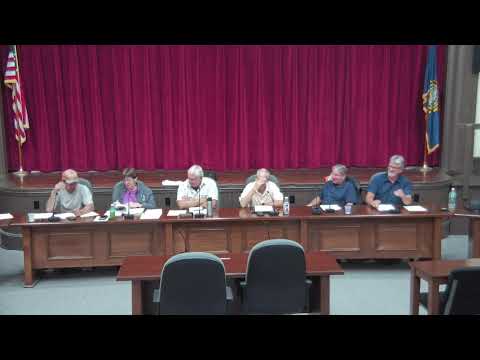
Alton committee reopens debate on flexible-zoning plan that would shift variance power to planning board
Summary
The Alton Town Zoning Amendment Committee reviewed a proposed flexible-zoning subdivision ordinance that would let the planning board approve multiple dwellings on a lot — a change members warned could sidestep state variance standards and invite legal risk.
The Alton Town Zoning Amendment Committee on Sept. 18 reopened discussion of a proposed flexible-zoning subdivision that would let the planning board authorize departures from lot fronts, setbacks and minimum lot sizes and allow multiple dwellings on a single parcel.
The proposal, listed as Amendment No. 2 in the committee materials, would let planning boards approve some development currently requiring a variance from the Zoning Board of Adjustment (ZBA). “This 1 allows for flexibility in frontage, lot sizes, setbacks, and it would allow multiple structures on a lot,” Doug Brown, current chair of the zoning amendment committee, told members as he introduced the packet of eight proposed amendments.
Committee members pressed the legal and procedural implications. “Is it better that the planning board take on that? And if so, are they going to apply the statutory criteria that the ZBA uses for variance, or they’re just going to do their own thing based on what’s written here?” Paul, committee member, asked. He warned that moving decisions away from the ZBA could change how appeals are reviewed by the courts and “give us more of a legal issue” if the planning-board review does not use the statutory variance criteria.
Proponents noted the proposal’s intended benefit: simplifying the process for property owners who now must seek a variance from the ZBA and then planning-board approvals. “It gives the committees more flexibility to be able to grant people the ability to build more than 1 dwelling property,” Nick Bonapane, Selectman’s representative, said during the discussion. Committee members also noted the proposal was drawn from the town’s master plan recommendations and had previously been presented to voters; the sponsor said the previous ballot result had been narrow.
Members discussed trade-offs: a streamlined path for applicants versus loss of the ZBA’s quasi-judicial review, differences in public notice and the standards applied during hearings, and potential judicial review that may treat planning-board decisions differently from ZBA determinations. Several members suggested refining criteria the planning board would use if the board were to assume these decisions, or keeping the ZBA involved in some way. There was no motion to forward the amendment; members said they would revisit the text, consult town counsel about statutory compliance, and circulate a revised draft before the next meeting.
The committee did not take a vote on the substance of Amendment No. 2; discussion concluded with an agreement to research legal implications and provide clearer rationale for voters if the item is resubmitted.