Get Full Government Meeting Transcripts, Videos, & Alerts Forever!
Get email alerts on the Paratransit Contracts topic
No spam. Unsubscribe anytime.
Escambia County faces service gap as contractor terminates paratransit contract; commissioners ask administrator to seek options
Summary
ITL Solutions gave formal notice it would end county paratransit services; commissioners directed staff to negotiate and return with options after extensive public comment from riders, advocates and the contractor.
Escambia County officials and transportation advocates clashed over a plan to end a third‑party paratransit contract after ITL Solutions submitted formal notice that it would terminate county contracts, a move the company said was driven by unresolved reimbursement for fuel and “cannibalization” of trips by a new microtransit pilot.
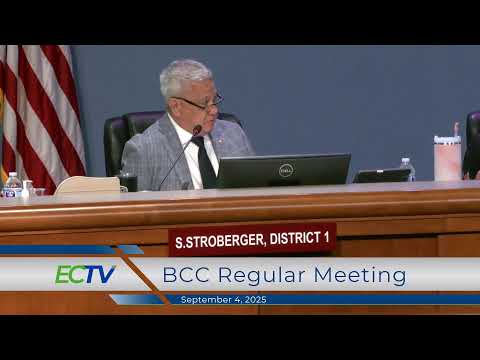
The dispute played out at the Board of County Commissioners meeting, where riders, family members and disability‑advocacy groups urged the board to keep door‑to‑door paratransit service running and criticized any plan that would shift those trips to app‑based microtransit. ITL attorneys and supporters said the company had delivered a low accident record and reliable service and that the county previously told the contractor to expect a contract adjustment to cover rising fuel costs.
County staff told the board they could bring the service in‑house and cited a cost study and a six‑month simulation that — staff said — indicates in‑house operation could reduce per‑trip costs from roughly $45.07 (round trip shown in vendor bills) to about $28. County and contractor attorneys also said ITL submitted termination notice on Aug. 1 that would conclude Sept. 30 unless the parties reach a new agreement.
Why it matters: Paratransit and the state Transportation Disadvantaged (TD) program provide door‑to‑door service for people who cannot use fixed‑route buses. Commissioners and advocates said losing reliable paratransit service would directly affect people who rely on rides for dialysis, work, medical care and daily living.
What happened at the meeting: More than a dozen riders and agency representatives spoke in public comment. Patrick Reed of Global Connections to Employment described missed rides and the hardship that would follow if service ended. Carolyn Grama, a regular paratransit user, said the county’s current paratransit contractor “has been a big help to me and my grandson” for medical trips. ITL supporters, including commercial insurer Andy Prasick and local small‑business vendors, pointed to ITL’s low claims history and timely payments as evidence of sound operations.
County staff’s view: Transportation staff said they have run simulations and a pilot of microtransit and that, with changes to how trips are scheduled and zoned, the county can meet ADA (Americans with Disabilities Act) and TD obligations more efficiently. Staff said they were prepared to recruit drivers and convert existing temporary driver positions into county roles if the board decided to bring services in‑house.
Contractor’s position: ITL’s counsel said the firm was told by the previous transit director not to worry about fuel charges because a change order would be forthcoming; no formal change order was executed. Counsel described the outstanding fuel and related charges as the contract dispute’s core and said ITL remains open to negotiation but had to protect the company’s financial position by submitting a termination notice.
Board action: After extended public comment and attorney discussion, commissioners voted to remove the item from the agenda for a staff negotiation (motion passed 5‑0). County administrators were asked to resume negotiations with ITL and to return to the board with proposed next steps; staff said they would try to reconcile the outstanding fuel issue and present options for continuity of service.
What comes next: County staff said they will continue negotiations and prepare contingency planning, including the option of operating ADA/TD paratransit in‑house if a contract settlement is not reached. ITL’s termination notice remains in effect while talks continue; county staff indicated they will return to the board with recommendations and timeline as soon as possible.
Context and constraints: Commissioners repeatedly emphasized they must comply with federal and state grant rules governing ADA and TD services; several speakers warned that federal rules prevent arbitrary denial of ADA trips during service hours. Commissioners also noted county budget constraints and the costs of converting temporary drivers to county employees with benefits.
Ending note: Riders and disability advocates asked the commissioners to prioritize continuity of service while staff and ITL work through the contractual dispute. The board’s decision to ask administrators to negotiate leaves the core question unresolved but preserves time to seek an agreement or prepare alternatives before the contract termination becomes final.