Get Full Government Meeting Transcripts, Videos, & Alerts Forever!
Get email alerts on the Budget Fund Balance topic
No spam. Unsubscribe anytime.
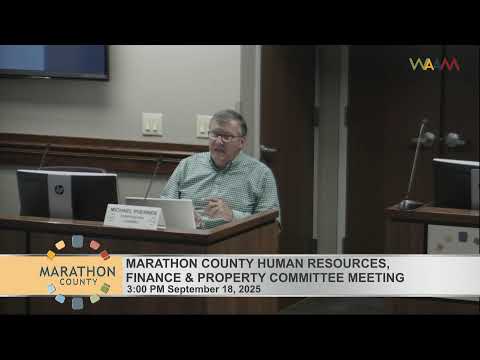
County releases new fund‑balance overview tool as budget season progresses; committee hears about uncollectible receivables
Summary
Administrators presented a fund‑balance breakdown tool to help supervisors evaluate the 2025 budget, explained color‑coded categories of spendability, and flagged planned write‑offs of uncollectible social service receivables.
Marathon County staff presented a new fund‑balance overview intended to help supervisors evaluate operating and capital budgets as the county prepares its 2026 budget. The tool breaks fund balances into categories that reflect statutory, policy and practical restrictions and identifies what is truly unassigned and available for use.
Administrator Lance Leonard said staff built the document from the 2024 year‑end audited financials and applied the county’s recently adopted fund balance and working capital policy. He described the display as a “red, yellow, green” breakdown to distinguish non‑spendable or restricted dollars (red), designated or in‑progress items (yellow), and truly unassigned resources (green). Leonard said the county will incorporate the new tool each year after audits are complete so supervisors can see clearer, standardized fund‑balance information during budget deliberations.
Sam and Candace (finance staff) told the committee the fund balances shown reflect the 2024 year‑end (Dec. 31, 2024) figures and noted the new county policy will take effect for the 2025 financials. Sam said some line items in the tool include amounts already anticipated to be used in 2025 or 2026, and that the highway fund contained designations pending committee or board action.
Committee members asked for a projection of how the fund‑balance totals would look under the new policy and for clarification about a $600,000 line described as uncollectible receivables in the Social Services fund. Staff said the county has been cleaning up its receivables records, identified amounts not collectible under program deadlines and plans write‑offs; the first quarter closeout was scheduled for Oct. 15 with subsequent quarter closeouts planned for Nov. 15 and Dec. 15 to close timing gaps and improve reconciliation.
Supervisors praised the tool as a useful aid for upcoming budget amendment and hearing deadlines; staff said they will refine the timeline, and overlay new policy thresholds in subsequent versions. Ending
Staff will provide updated fund‑balance figures that reflect the new policy once 2025 financials are compiled; committees will use the tool during October and November budget amendment meetings.