Get Full Government Meeting Transcripts, Videos, & Alerts Forever!
Get email alerts on the Municipal Budget topic
No spam. Unsubscribe anytime.
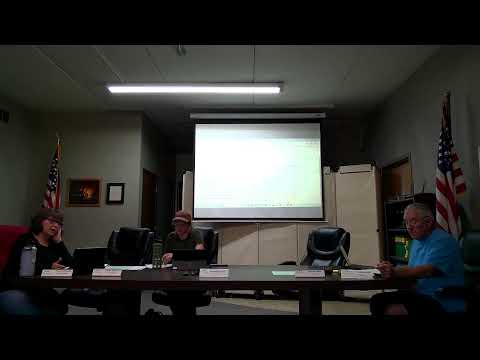
Stevensville council approves FY24-25 budget amendments; debate continues on FY25-26 budget and staffing training funds
Summary
The Stevensville Town Council approved amendments to the fiscal year 2024–25 budget and spent more than two hours debating the proposed fiscal year 2025–26 budget, approving a separate $3,000 amendment for EMT training but not recording a final vote to adopt the full FY25–26 budget in the transcript.
The Stevensville Town Council approved a resolution amending the town’s fiscal year 2024–25 budget and heard extended discussion about the preliminary fiscal year 2025–26 budget during its Sept. 11 meeting, including a separate approved amendment to add $3,000 for emergency medical technician (EMT) training for the fire department.
The council voted 3‑0 to approve Resolution No. 573, the FY24–25 budget amendments, after finance staff described awarded grant revenues and line‑item changes. Robert, a member of the town finance staff, told the council the largest amendments included a $9,100 increase to the building code enforcement fund “because we have more inspections than we anticipated” and a $147,000 grant from House Bill 357 that offset planned spending on Spring Street and railroad work.
Why it matters: The FY24–25 amendments move grant and one‑time revenues into the operating accounts and capital funds so staff can pay outstanding project bills and track assets more transparently. The council’s extended review of the FY25–26 draft budget highlighted questions about reserve levels, transparency of wage schedules, and how one‑time revenues and grant awards are shown in the package.
Most important facts: For the FY24–25 amendments, staff identified the following adjustments: a $9,100 increase to the building code enforcement fund for additional inspections; spending of roughly $147,000 in grant funds from House Bill 357 that offset $66,600 in originally budgeted costs; and an allocation of gas utility proceeds into a street equipment capital asset fund (amounts discussed in the packet). The council approved Resolution No. 573 by a 3‑0 vote.
Council members then moved on to the FY25–26 proposed budget (Resolution No. 574). Finance staff, including Robert and Gina, walked through revenues and appropriations line by line and answered questions from councilors, department heads and members of the public. Staff described investment income and cash reconciliations that affected the figures presented in the packet and said the general fund would end the year with a cash reserve in the low 20 percent range if the proposed budget were spent as presented.
Department leaders and public participants pressed several points: Chief Motley of the fire department described training needs and cost barriers, saying EMT certification is a substantial commitment. “It’s a hundred and 20 hour class. What cost to do that class is about a thousand dollars per student,” Chief Motley said. In response, Council member Smith moved to add $3,000 to the budget for EMS/EMT training to subsidize certification for department members. The motion received a second and the council approved the $3,000 amendment.
Council members raised procedural and transparency concerns about the FY25–26 package. Multiple councilors and members of the public said wage schedules and detailed personnel listings were not included in the packet in the form they expected. One councilor cited provisions of the Montana Code (budget statutes were referenced during debate) and argued that schedules of positions, salaries and benefits should be made available to the public; staff said the wage figures had been circulated to council and that staff would provide further documentation.
Several councilors also questioned whether the top‑line numbers balanced due to a roughly $26,000 discrepancy on the first summary page; finance staff said the difference was attributable to investment income and reconciliation adjustments and that the packet’s revenue and appropriation totals were consistent after staff explanation. Members of the public asked about bond principal and refinancing options; a local banker and finance staff briefly described how long‑term debt has been handled in prior years.
What was decided: Resolution No. 573 (FY24–25 budget amendments) was approved by voice vote, recorded as 3‑0 in the meeting. An amendment to add $3,000 for EMT training was approved during the FY25–26 discussion. The public record in the provided transcript does not show a final, roll‑call adoption vote for Resolution No. 574 (FY25–26 budget and wage schedule); the council conducted detailed review and public comment and several motions to table and requests for additional documentation were made during the meeting. The transcript ends with staff and council preparing to move forward with votes; it does not include a final adoption tally for Resolution No. 574.
Context and next steps: Staff told the council they will provide the wage/position schedules and additional reconciliation documentation requested by councilors. Finance staff also flagged that several capital projects depend on external grants and FAA paperwork (airport asphalt project paperwork was described as delayed), meaning timing and final appropriations could change. The council approved the FY24–25 amendments so staff could close out invoices and transfer one‑time funds to capital asset accounts; the FY25–26 adoption remains pending in this transcript and may be completed at a subsequent meeting when requested documentation is made available.
Ending: Mayor Meitzner directed staff to continue providing line‑by‑line explanations and asked department heads to raise outstanding questions before the council reconvenes. The public hearing on the FY25–26 preliminary budget remained open during the meeting’s review and members of the public were permitted to ask questions about taxes, bond payments and reserves.