Get Full Government Meeting Transcripts, Videos, & Alerts Forever!
Get email alerts on the Committee Votes topic
No spam. Unsubscribe anytime.
Committee approves nine Health & Human Services resolutions, including youth-employment and lead-registry hires
Summary
Cayuga County Health & Human Services Committee approved nine resolutions covering TANF funds for domestic-violence clients, $414,000 in youth-employment funding, renewal of a mental-health diagnostic contract, and creation of multiple public-health positions to implement the state lead registry mandate.
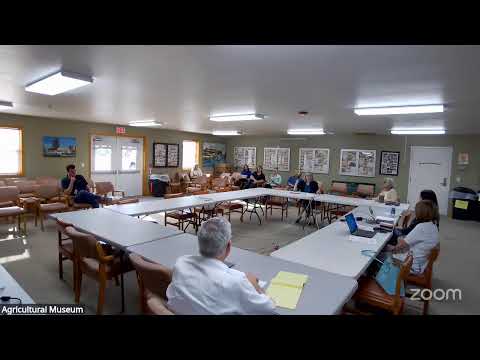
The Cayuga County Legislature’s Health & Human Services Committee approved nine resolutions on funding, contracts and staff hires during its September meeting.
The package included: authorization to accept $25,000 from the New York State Office of Temporary and Disability Assistance (OTDA) for TANF-eligible victims of domestic violence; acceptance of a $414,000 youth-employment allocation tied to the GIVE program; renewal of a three‑year contract with the county Department of Mental Health for community-based diagnostic assessments for children; and three public‑health hires to implement New York State’s lead registry mandate. Other approvals covered psychiatric care funding transfers and a one-year contract to sustain peer‑support services for opioid response work.
Why it matters: the votes move multiple county programs forward now that the committee signed authorizations and contract approvals, shifting state and settlement funds into county operations and new hires that will implement a state-mandated lead registry and expand youth employment services.
Key outcomes
- HH1: Authorization to accept $25,000 from OTDA for TANF‑eligible victims working with the CAP program. Motion carried by voice vote; no roll-call tally recorded in the transcript. The funds are intended for nonrecurrent, concrete expenses (legal aid, other stabilization costs) and to support a portion of a case manager.
- HH2: Acceptance of $414,000 for a year‑round youth employment program (GIVE funding) and authorization to enter subcontracts. Committee discussion said the allocation is an increase of about $14,000 from the previous award; staff estimate 60–70 youths will be served and the funding covers a 10‑month program (September–June), with summer months supported by a separate allocation. Motion carried by voice vote.
- HH3: Renewal of a three‑year contract with Cayuga County Department of Mental Health for community‑based diagnostic assessments and treatment recommendations for children; rates unchanged from the prior term. Motion carried by voice vote.
- HH4: Authorization to establish satellite mental‑health clinic locations in school districts (Moravia cited) to allow clinic‑billable visits (including individual DBT) at school sites and to receive potential startup funds (committee discussion mentioned a possible $25,000 per high‑need district from OMH). Motion carried by voice vote.
- HH5: Transfer of funds within the mental‑health budget to cover psychiatric care tied to two competency examinations. Committee discussion said the transfers come from salary savings; motion carried by voice vote.
- HH6: One‑year contract with Nix’s Ride (peer‑support services) funded from regional opioid settlement (LGU/OASIS) dollars to sustain peer work while the provider ramps Medicaid billing; contract to be monitored and reduced dollar‑for‑dollar if Medicaid reimbursements materialize. Motion carried by voice vote.
- HH7–HH9: Three resolutions to create and fill public‑health positions to implement the state lead‑registry mandate: a community outreach/education coordinator, a lead program manager, and environmental‑health/technician roles. Each resolution passed after committee amendments that added language tying positions to the state funding stream so the county can abolish the positions if state support ceases. Motions carried by voice votes.
Votes and procedure
The transcript records committee voice votes for each item; members said “Aye” and no roll‑call vote tallies or recorded “No” votes appeared in the meeting excerpt. The committee advanced each resolution as presented (amendments to HH7–HH9 to condition continued positions on continued state funding were adopted before final passage).
What the approvals do next
Most of the resolutions authorize the chair of the legislature and county department heads to accept funds or enter into contracts and to incorporate the awards into the county budget or to encumber the funds for 2026 where noted. Several resolutions specify that unspent 2025 funds will roll into 2026 encumbrances. For the lead‑registry positions, county staff must complete civil‑service and hiring steps before onboarding.
Ending
Committee members said they would monitor implementation—particularly Medicaid billing for peer services and staffing actions for the lead registry—and return to the committee if additional budget adjustments are needed.