Get Full Government Meeting Transcripts, Videos, & Alerts Forever!
Panel warns AI will raise new fraud and liability risks; urges stronger coordination and clear disclosure when models decide
Summary
Witnesses and members flagged AI‑enabled fraud, deepfakes, and novel agentic threats as emerging hazards for consumers and financial institutions, and called for improved interagency coordination, public disclosure when AI is used, and liability frameworks for agentic systems.
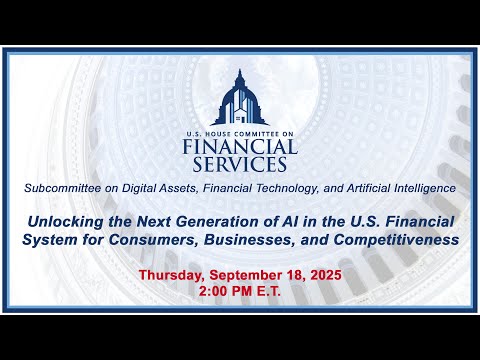
Members and witnesses at the House subcommittee hearing highlighted growing threats from AI‑enabled fraud, deepfakes, and agentic systems that can autonomously carry out multi‑step tasks.
Why it matters: Lawmakers warned that fraudsters already use generative AI and deepfakes in scams, and that agentic AI introduces new avenues for data exfiltration, prompt injection, and autonomous malicious actions. Those risks…
Already have an account? Log in
Subscribe to keep reading
Unlock the rest of this article — and every article on Citizen Portal.
- Unlimited articles
- AI-powered breakdowns of topics, speakers, decisions, and budgets
- Instant alerts when your location has a new meeting
- Follow topics and more locations
- 1,000 AI Insights / month, plus AI Chat