Get Full Government Meeting Transcripts, Videos, & Alerts Forever!
Get email alerts on the Animal Control Tnr topic
No spam. Unsubscribe anytime.
Lakewood council committee edits TNR ordinance; debate centers on city role, volunteer reimbursement and enforcement
Summary
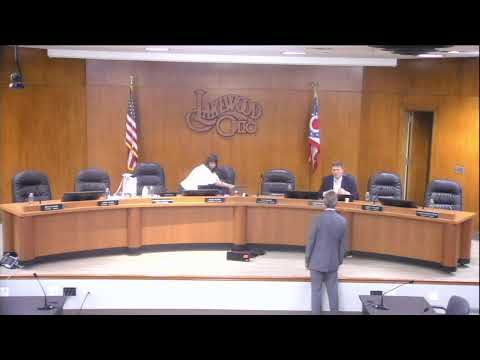
The Lakewood public safety committee on Sept. 15 substituted an updated trap-neuter-return ordinance draft from the law department and directed staff to work with volunteer groups before bringing final language back to council.
Council members, volunteers and city attorneys reviewed a redline of proposed changes to Chapter 505 (Animals and Fowl) and agreed on a schedule for further edits after a Sept. 15 public safety committee meeting.
Council discussed multiple edits proposed by the law department and by Councilwoman (name on record) that shift responsibilities and clarify procedures for trap-neuter-return (TNR) of community cats. The committee voted to substitute the version sent by the law department on Sept. 12 into the agenda packet and the substitute motion passed by voice vote.
Committee members debated where primary program responsibility should reside. Several council members said animal control should retain operational responsibility and community cat caregivers should assist, rather than run the program. Councilwoman (chair) moved language requiring that found or trapped dogs or cats be reported to animal control for impoundment and that animal control scan for microchips and attempt reunification prior to release; law department and animal-control staff confirmed microchip checks are already standard shelter policy.
The committee also discussed volunteer reimbursement for spay/neuter, ear-tipping, food and supplies. One motion would have the city incur TNR costs directly; council and city staff raised budget-practical concerns and law recommended further review of the legal implications should the city fund TNR activities directly. Council members asked the administration to draft administrative policies with a cap on reimbursements and a process for documentation and market-rate review.
Animal-control staff said they do not have current capacity to run a full city-funded TNR operation and that the shelter currently checks impounded animals for microchips under established policy. The law department advised the committee that if the city assumes funding and operational duties it may create additional legal duties and risks that require further legal review.
The committee agreed to send the revised draft, including the law department—s changes and the council—s proposed language on city reimbursement limits, to Le Suave and CLaws (volunteer groups) for comment and to reconvene in late October after those groups meet.
Ending: The committee approved substitution of the law department—s updated draft and voted to send the revised package to volunteer partners (Le Suave, CLaws) for review; no final ordinance vote was taken and further legal and budget analysis was requested.