Get Full Government Meeting Transcripts, Videos, & Alerts Forever!
Get email alerts on the Public Health Community Paramedic topic
No spam. Unsubscribe anytime.
Lakewood neighborhood paramedic program expands partnerships to keep high-risk residents at home
Summary
Oliver Harper, firefighter and paramedic for the City of Lakewood, told the public safety committee on Sept. 15 that the neighborhood paramedic program has expanded from fall-prevention visits to medication reconciliation, hospital readmission prevention and behavioral-health referrals through new partnerships with Fairview Hospital and local clinics.
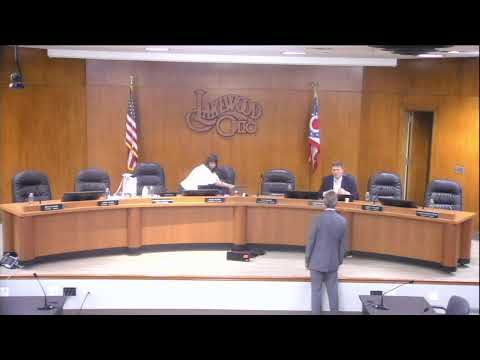
Oliver Harper, firefighter and paramedic for the City of Lakewood, delivered the neighborhood paramedic program—s annual update to the city—s public safety committee on Sept. 15, describing a year of expanded services and new interagency referrals.
Harper said the program has moved beyond its initial fall-prevention focus to add medication reconciliation, home-based primary-care coordination and a two-way referral relationship with a chronic care clinic in the city. "We can send people to them, and they can send them back when it—d be beneficial if you could visit Joe Smith down the street and make sure he—s taking his meds," Harper said.
The program also began sending low-acuity behavioral-health referrals to a downtown behavioral-health urgent care that offers same-day assessment, on-site pharmacy and social-work supports. Harper said the center—s case-management model helped divert patients from emergency departments; of four people he referred, three had not called 911 again. He characterized the Fairview Readmission Prevention Team relationship as the most beneficial hospital partnership so far, giving paramedics direct access to Fairview social workers and discharge planners to reduce 30-day readmissions.
Discussion at the committee highlighted capacity and measurement questions. Vice President Baker and Council members asked for basic service counts and whether the program—s reach justifies scaling staff. Harper said he logged roughly 80 contacts in the prior 90 days, which he estimated represented about 50 distinct patients in that period. He described a typical workload of a few home visits per week for several weeks per patient and significant administrative time for care coordination.
On data and outcomes, Harper and city staff said the program has not produced a dollarized cost-savings analysis the city can point to, though staff shared anecdotal and peer-program evidence that fewer repeat falls and better-managed chronic conditions reduce emergency transports and hospital stays. Harper said a community paramedic in Denver told him cost savings are difficult to quantify but that the human impact—fewer repeat falls and better home management—is the important outcome.
Council members pressed for operational clarifications. Councilwoman Trevid asked whether paramedics can access hospital records; Harper said hospitals use encrypted messaging and consent processes and that a business-associate HIPAA agreement is possible. Council members requested that the administration return with utilization counts, and discussed whether opioid-settlement funds or other restricted grants could help underwrite personnel or program growth.
The committee took no formal action beyond receiving the presentation. Multiple council members voiced support for expanding the program if numbers and funding warrant it during the 2026 budget process.
Ending: Councilmembers asked the administration to supply utilization counts and to examine funding options as budget season approaches; Harper said he will provide more detailed counts for the committee—s consideration.