Get Full Government Meeting Transcripts, Videos, & Alerts Forever!
Committee hears concerns about crypto, DeFi and Bitcoin ATMs as scam cash‑out channels
Summary
Members and witnesses discussed the role of cryptocurrency, unhosted wallets and Bitcoin ATMs in enabling fraud and called for clearer regulation, parity of law‑enforcement powers and consumer education on crypto risks.
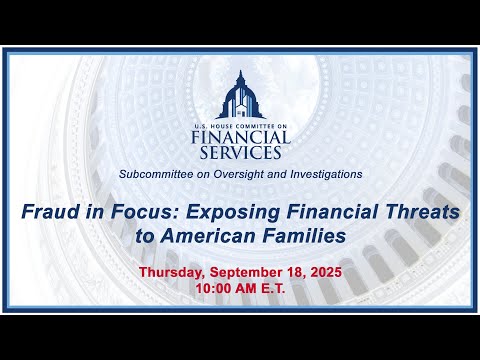
Members of the House subcommittee and witnesses discussed how cryptocurrency and decentralized finance (DeFi) can be used by fraudsters to receive and launder stolen funds, and they urged stronger oversight and law‑enforcement tools.
Representative David Liccardo and others questioned how to address scams facilitated by unhosted wallets and DeFi protocols that make identification and recovery…
Already have an account? Log in
Subscribe to keep reading
Unlock the rest of this article — and every article on Citizen Portal.
- Unlimited articles
- AI-powered breakdowns of topics, speakers, decisions, and budgets
- Instant alerts when your location has a new meeting
- Follow topics and more locations
- 1,000 AI Insights / month, plus AI Chat