Get Full Government Meeting Transcripts, Videos, & Alerts Forever!
Committee hears calls to force telecoms and platforms to block spoofing, speed fraud ad takedowns
Summary
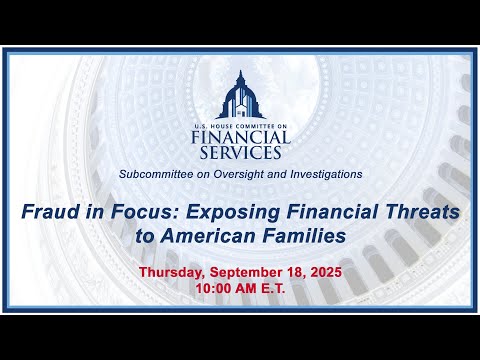
Banking and consumer witnesses urged Congress and regulators to require telecom companies and social platforms to stop spoof calls and remove fraudulent ads quickly, and to create searchable spam text and messaging databases.
Witnesses at the subcommittee hearing urged stronger obligations for telecom carriers and social‑media platforms to stop scam distribution channels that enable fraud.
Paul Benda of the American Bankers Association told the committee telecoms must “stop criminals from impersonating banks through spoof phone calls and fraudulent texts,” and called for closing loopholes that allow SIM‑box operations that send thousands of scam texts. He…
Already have an account? Log in
Subscribe to keep reading
Unlock the rest of this article — and every article on Citizen Portal.
- Unlimited articles
- AI-powered breakdowns of topics, speakers, decisions, and budgets
- Instant alerts when your location has a new meeting
- Follow topics and more locations
- 1,000 AI Insights / month, plus AI Chat