Get Full Government Meeting Transcripts, Videos, & Alerts Forever!
Get email alerts on the Municipal Finance topic
No spam. Unsubscribe anytime.
North Ogden audit committee reviews FY2025 finances; aquatic center posts surplus, roads funding remains short
Summary
North Ogden’s Audit Committee reviewed the city’s unaudited FY2025 financials on Sept. 18; staff reported a general-fund surplus driven by sales tax and staffing savings, an aquatic center surplus, and a shortfall in Cherry Days donations while warning that road maintenance needs far exceed available reserves.
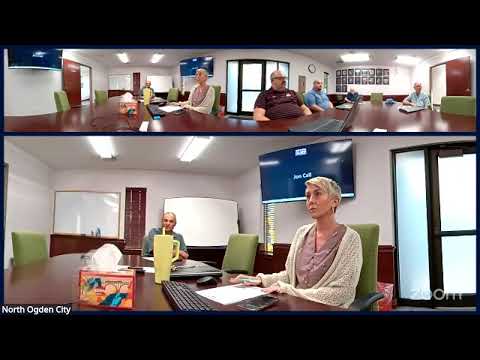
North Ogden’s Audit Committee reviewed the city’s unaudited fiscal year 2025 financial results on Sept. 18, hearing from Peter Brown, finance director, that the city ended the year with most material revenues and expenditures recorded but with some year-end capital reconciliations still outstanding.
Brown said the general fund and the aquatic center outperformed their revenue projections while keeping expenditures below budget. “We held nearly $1,200,000 in fungible cash,” Brown said, adding that the city also has “about $5,000,000 and some change tucked away in a bond” and the lion’s share of investments in the state pool. He cautioned that a few remaining capital reconciliations could shift asset and liability lines but would not materially change recognized revenues and expenditures.
The committee heard that the aquatic center finished the year with revenues exceeding expenses. Brown and other participants said some seasonal revenues (for example, season passes) were deferred into the following year when appropriate. Committee member Randy noted prior estimates that the aquatics breakeven price had been $11.50 per pass; Brown said the city’s current mix and the summer weather helped bring the facility to a surplus without raising fees to that level.
Cherry Days, the city event fund, underperformed revenue expectations because donations were lower than budgeted. Brown said the shortfall was covered using fund balance so the general fund was not tapped to subsidize the event this year, but committee members said the city should consider cutting expensive event components or finding additional revenue sources.
On enterprise funds (utilities), Brown explained that capital spending in the year made some funds appear to be operating at a deficit when capital costs had not yet been capitalized. “When we determine what the capital expenditures were that need to be moved to our assets, it will reduce those expenditures down,” Brown said. He noted that part of one water tank’s cost had been covered by federal ARPA funds the prior year.
Committee members and staff discussed presentation changes to separate operating results from capital spending to avoid misinterpreting enterprise fund performance. One member asked for an operating statement that isolates recurring operating revenues and expenses from one-time capital projects so fee-setting decisions (for example, water rates) are based on comparable operating metrics.
On the expenditure side, Brown showed departments largely stayed under budget overall (97% of budget). He said two areas went over budget: animal services (an unexpected county assessment) and a non-departmental line expanded by recording an administrative offset for sales tax collections as an expenditure; the committee discussed whether to show that item net on the revenue side instead.
Committee members raised roads as the committee’s primary long-term fiscal concern. Brown and others said the city is budgeting and accumulating funds for planned capital work, but engineer estimates place needed road work at roughly $100,000,000, far exceeding available reserves. Brown said the city’s reserve—about 27% of annual expenditures before this year’s accumulation, with a policy maximum of 35%—and roughly $3.1–$3.5 million in a rainy-day fund are healthy for near-term needs but insufficient to cover the full scale of road-repair needs.
Committee members discussed funding options, including a transportation utility fee the city previously removed after litigation over whether it was a tax or fee. No formal action was taken; members emphasized the council will need to address road funding directly.
No audit committee action was required on the quarterly report. The minutes from the Jan. 9, 2025 meeting were moved for approval by Randy, seconded by Ryan, and approved by voice vote earlier in the meeting. A motion to adjourn was later made during the closing sequence; the transcript ends shortly after that motion.
Looking ahead, staff and committee members discussed scheduling the next audit committee meeting for January (tentatively Jan. 18) and a possible December meeting if the finalized audit is available earlier. Brown and staff said the audit remains unaudited and final adjustments will be presented once completed.