Get Full Government Meeting Transcripts, Videos, & Alerts Forever!
Lawmakers, experts back standardized aid offers, better net-price tools and price guarantees to reduce sticker shock
Summary
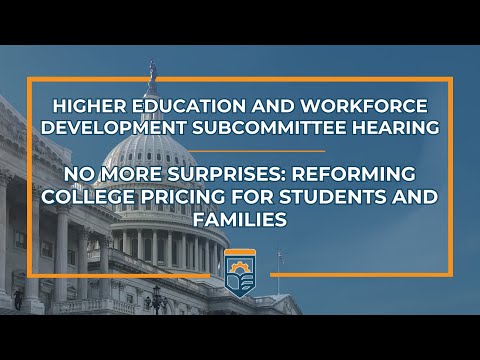
Witnesses and lawmakers in a House Education and Labor subcommittee hearing urged standardized financial aid offers, improved net-price calculators and limited price guarantees so students see an accurate, comparable “all‑in” cost early in enrollment.
Members of the House Education and Labor Subcommittee and witnesses outlined a set of bipartisan proposals intended to give families clearer, comparable information about college costs.
Justin Draeger of Strada Education Foundation said families want three things: “1 clear all in number as early as possible,” a guarantee that price “won't change while they're enrolled,” and “1 clear sense of return on their investment.” Draeger urged standardized plain-language pricing and fixes to incentives that lead institutions to raise sticker…
Already have an account? Log in
Subscribe to keep reading
Unlock the rest of this article — and every article on Citizen Portal.
- Unlimited articles
- AI-powered breakdowns of topics, speakers, decisions, and budgets
- Instant alerts when your location has a new meeting
- Follow topics and more locations
- 1,000 AI Insights / month, plus AI Chat