
Board approves reduction in food‑service staff after multi‑year deficit; district cites lagging reimbursements
Get AI-powered insights, summaries, and transcripts
Sign Up Free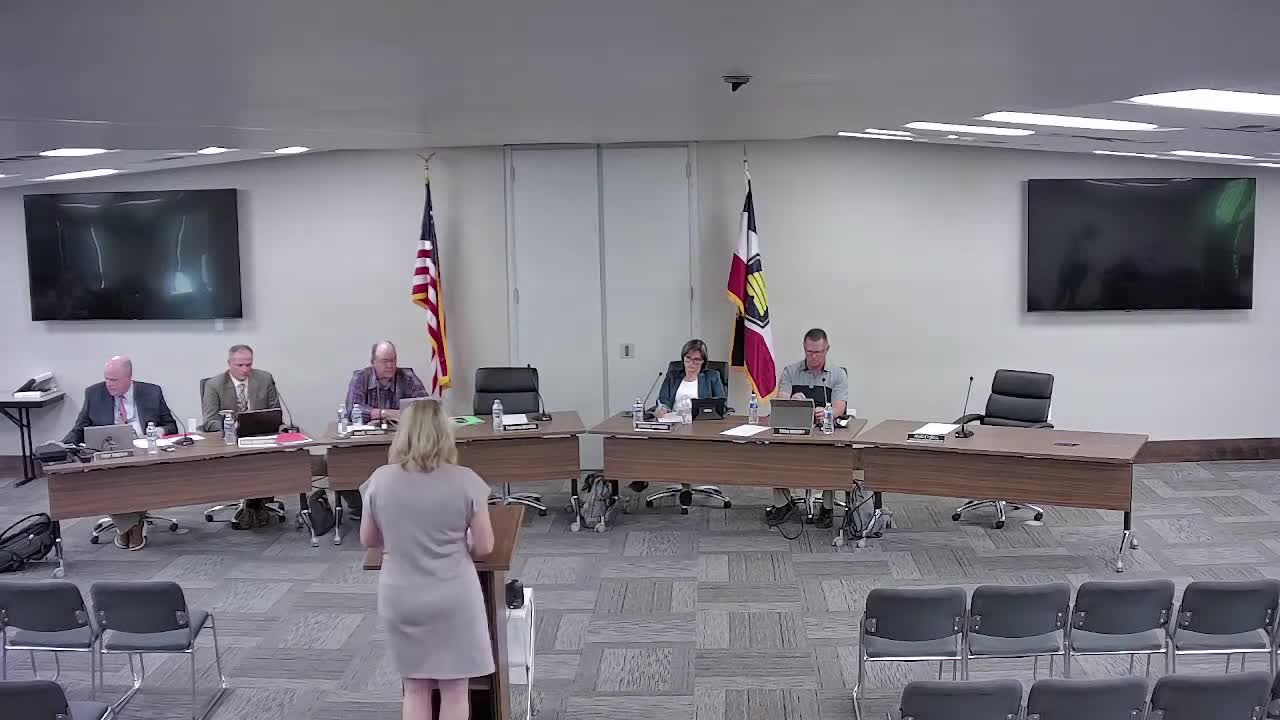
Summary
The Uinta School District Board approved a reduction in force specific to the food‑service department on Sept. 10, citing a multi‑year deficit and reimbursement rates that have not kept pace with rising food costs.
Superintendent staff and the board discussed a reduction in force specific to the district food‑service department during the Sept. 10 work session and business meeting. The board voted to approve the reduction.
Background presented: The foods department previously generated a fund balance, but state rules limited that balance in prior years and the department has operated with deficit spending since. Staff told trustees that attrition has been insufficient to achieve required savings and that reimbursements for school meals have lagged behind rising food costs; staff said such reimbursement increases historically arrive after a lag of one to three years. The superintendent and board members also noted that other districts across the state face similar pressures.
Board action and context: The board approved a reduction in force intended to cut the foods budget and restore a more balanced spending plan. Staff emphasized that specific personnel matters would be handled per district policy (with personnel-specific matters moved to closed session if necessary) and that district policy requires offering a reinstated position to a displaced employee if the position is reestablished within one year.
Why it matters: The change is a direct response to a budget shortfall in an operational program that serves all students; it affects food‑service employees and may have short‑term service implications as staff roles are realigned.
Ending: The business office and food‑service supervisors will implement the RIF per district policy and report results to the board’s finance committee.