Get Full Government Meeting Transcripts, Videos, & Alerts Forever!
Get email alerts on the Technology Policy topic
No spam. Unsubscribe anytime.
Resident criticizes city use of generative AI in promotional video; staff say an advisory committee is planned
Summary
A Chandler resident told the council he was upset the city's video used AI vocals; city staff said they are reviewing AI policies and plan to convene an advisory committee that may include youth representation.
A Chandler resident told the City Council on Sept. 18 that the city’s promotional video for the League of Arizona Cities and Towns used generative artificial intelligence for the singing and expressed concern about the economic and environmental effects of AI.
Tobias Gusto, a graduate of Chandler High School and an aspiring performer, said the city’s video team “wrote an incredible song” but the singing was done by generative AI. “I'm incredibly disappointed with the city's actions,” he said, adding that he fears AI could displace performers and increase water use tied to AI infrastructure.
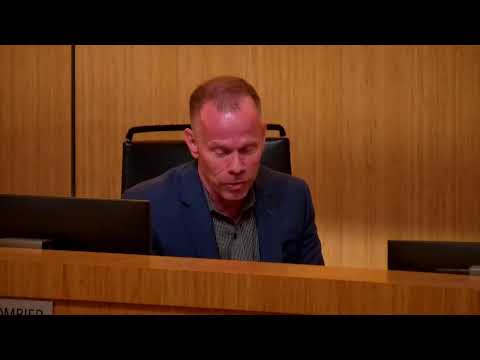
Council members and staff responded during the meeting. One commenter suggested the city should assess its use of AI and work with community members, including youth. Acting City Manager Tom Bombardier said staff had recently received a presentation about AI and the city’s plans and that the city is planning “an advisory committee made up of local businesses and local citizens to talk to us about the policies and the way that we use AI.” Bombardier also said the city had considered “adding, maybe a high school contingent to that and a college contingent” to the advisory group.
Why this matters: Residents framed the issue as both a local arts and jobs concern and an environmental consideration in Arizona’s drought-prone context. City staff characterized the effort as policy development and stakeholder engagement rather than a finalized policy.
Details and follow-up: Tobias Gusto urged the city to stop using generative AI “unless unnecessarily” and cited secondary sources about water use for large AI systems. City staff did not announce a final policy or immediate restrictions; instead, Bombardier said the city is actively looking at AI use and planning a community advisory process. No formal council action or vote on AI policy occurred at the Sept. 18 meeting.