Lifetime Citizen Portal Access — AI Briefings, Alerts & Unlimited Follows
House committee hears residents’ allegations of fraud, harassment and misuse of hurricane funds in multiple Puerto Rico condominiums
Loading...
Summary
The Puerto Rico House of Representatives’ Commission on Older Adults and Social Welfare held a public hearing on Sept. 10, 2025, to consider Proyecto 6267 — a measure to order an investigation into legal and administrative compliance by condominium boards and administrators.
The Puerto Rico House of Representatives’ Commission on Older Adults and Social Welfare held a public hearing on Sept. 10, 2025, to consider Proyecto 6267 — a measure to order an investigation into legal and administrative compliance by condominium boards and administrators. Residents from several condominiums testified that they faced alleged financial mismanagement, intimidation and slow or ineffective responses from the Department of Consumer Affairs (DACO).
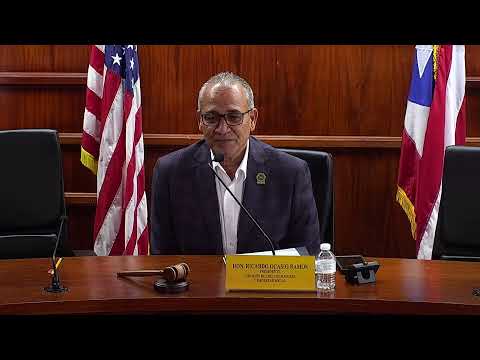
The hearing was opened by Representative Ricardo Chino Reyes Castillo Ramos, who identified the session as addressing Proyecto 6267 and asked deponents and commissioners to present evidence and proposals. He and Commission President Carlos Johnny Méndez urged attendees to submit written materials and recommended amendments; members of the panel asked witnesses to provide copies of complaints and proposals within 10 days for the committee record.
Why it matters: dozens of condominiums across the island contain a high share of older residents who rely on stable building services and safe common areas. Witnesses said alleged mismanagement of large insurance payouts and administrative secrecy has compromised safety, access to essential services and the financial security of elderly owners.
Multiple witnesses described similar patterns. Eduardo Castañeda of Villa Marina in Fajardo said the condominium received an insurance payment after Hurricane María of about $1.54 million, then later “fueron al banco y vaciaron las cuentas” when a departing board sought to retain control of funds. He said $430,000 was spent in the first year on work the residents could not see and alleged that individuals linked to the outgoing board had moved substantial sums and that federal investigators were now involved.
Clarissa Correa Márquez, a 34-year owner at Torres de San Miguel in Guaynabo, described years of alleged abuses by former board leaders and by private attorneys she says acted for the board. She told the commission, “Mi casa no es un negocio para ellos ni para nadie,” and urged stronger legal penalties for board members and their advisers who misuse condominium resources.
Other deponents reported parallel problems: Rolando Vázquez Cabrera (Condominio Los Corales, Carolina) and Jessica Guardiola (resident) said long‑time administrators limited transparency, withheld financial records and pressured owners, sometimes using proxies and selective distribution of meeting notices. Raiza Gutiérrez Oliveras (president, Madrid Plaza, San Juan) said her building of roughly 170 families — more than half older adults — learned only after a transition that reserve and emergency accounts were closed or drained and that contractors had been paid in full for unfinished work affecting fire-suppression systems.
Witnesses described DACO as a remedies pathway that often takes months to act and said administrative rulings sometimes leave unresolved structural or criminal questions. Multiple speakers recommended legislative changes, including: criminal penalties for theft or clear misappropriation of condominium funds, creation of an independent investigative unit with authority to levy fines and make arrests in extreme cases, strengthened duties for transitions between boards, and clearer rules governing proxies, financial disclosures and contractor selection.
Representative Carlos Johnny Méndez and other members signaled interest in crafting amendments. Méndez asked deponents to submit concrete amendment language and documentary evidence so the commission could draft a bill addressing assembly procedures, enforcement mechanisms and emergency interventions for buildings housing older residents.
During the hearing members also agreed to collect and review DACO complaint files submitted by deponents and to request documentary evidence (bank statements, canceled checks, insurance settlement paperwork, minutes and audio recordings) for the committee record.
What was not decided: The committee took testimony; it did not vote or adopt new rules at the hearing. Commissioners directed staff to assemble the submitted recommendations and complaints and indicated they would consider a draft bill if petitioned with concrete language.
Ending note: Several deponents asked for immediate, enforceable changes to protect seniors living in condominiums and for faster administrative responses when owners allege fraud or unsafe conditions. The committee closed the hearing with a request that witnesses provide written proposals and copies of complaints and related documents within 10 days for analysis and potential drafting of legislation.