Get Full Government Meeting Transcripts, Videos, & Alerts Forever!
Get email alerts on the Public‑records‑and‑open‑meetings topic
No spam. Unsubscribe anytime.
Big Bear Fire Authority approves four-year audio-video retention policy, expands livestreaming
Summary
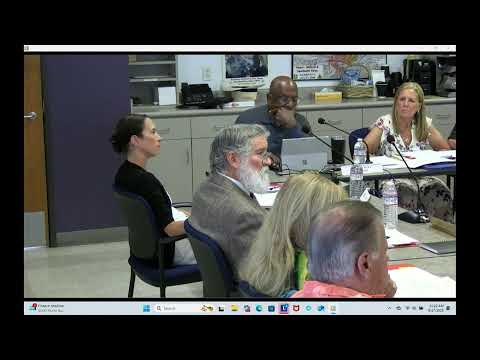
On July 8, 2025, the Big Bear Fire Authority voted to adopt a four‑year retention period for meeting audio and video and to continue live‑streaming meetings. Staff were directed to implement the policy and maintain internal archives in case third‑party platforms remove recordings.
The Big Bear Fire Authority voted on July 8, 2025, to adopt a four‑year retention period for meeting audio and video recordings and to continue live broadcasting of meetings via the department’s YouTube channel.
The board’s discussion followed a staff report and a trial livestream conducted at a recent ad hoc strategic planning meeting. Staff reported that a single “OWL” camera purchased for under $300 performed the live recording and that an Authority YouTube channel has been created to host broadcasts and recordings. The board’s intent is to make recordings accessible to the public without requiring a public‑records request while retaining an internal copy for four years.
Authority staff described the status quo as a 90‑day retention period that had been set earlier with assistance from Gladwell Government Services. Board members and staff said most comparable agencies keep recordings two to four years, and several directors argued that a four‑year minimum would allow the Authority to “go back and have the history” of past meetings.
Directors raised three implementation concerns during debate: whether publishing videos on a third‑party site (YouTube) creates a dependence on that vendor’s policies; how the Authority would ensure it archives recordings if a platform removes them; and whether practice should match policy to avoid establishing a precedent of keeping recordings longer than the stated retention period. Staff said they will keep internal archival copies and, if needed, migrate recordings to another host. The board also asked staff to document estimated costs for long‑term archiving.
After board discussion, a motion to adopt an audio/video retention policy of four years with staff to implement the procedures passed on a roll‑call vote. The clerk announced the motion passed by roll call (ayes recorded; no recorded no votes) and the meeting minutes show the motion carried.
What changed: The Authority will continue live broadcasting and will treat internal audio/video recordings as official records retained for four years; staff will maintain internal copies in addition to any public posting on third‑party platforms.
Why it matters: The change increases public access to meeting recordings beyond the Authority’s previous 90‑day retention window and formalizes staff responsibility for archiving recordings so they remain available for records requests even if a third‑party host removes content.
Votes and next steps: The motion was approved by roll call and staff were directed to implement the retention procedures and to provide cost estimates and an implementation plan at a future meeting.