Get Full Government Meeting Transcripts, Videos, & Alerts Forever!
Get email alerts on the Immigration Enforcement topic
No spam. Unsubscribe anytime.
Residents urge caution, liability review as council hears wide public concern over proposed 287(g) collaboration with ICE
Summary
Multiple residents, advocacy groups and council members urged transparency and a legal and fiscal liability review before Wicomico County proceeds with any 287(g)-style agreement with U.S. Immigration and Customs Enforcement. Speakers described fear in immigrant communities and asked for public briefings and a county attorney assessment.
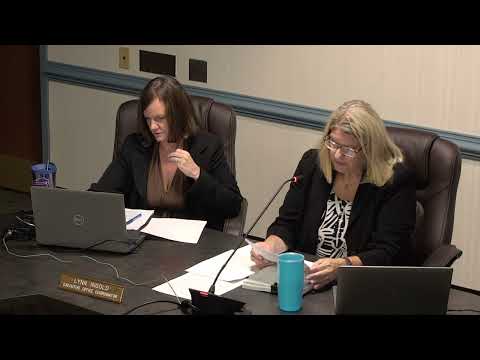
Speakers at the Wicomico County Council’s Sept. 16 legislative session urged the county to halt plans for any immigration enforcement partnership with U.S. Immigration and Customs Enforcement until legal, financial and operational questions are answered.
During the meeting’s public comment period, more than a dozen residents, community advocates and organizational leaders described concerns about a possible 287(g) arrangement that would give local officers limited immigration enforcement authority. They asked the county to publish any memoranda of understanding, explain likely costs, and provide information on training and detainee handling.
Monica Brooks, president of the Wicomico County NAACP, asked the council to “request that the county attorney conduct a comprehensive legal and financial liability assessment” and to publish the results, saying other jurisdictions have faced costly litigation after entering similar agreements. “Local taxpayers bore the cost,” she said, citing Frederick County as an example residents have raised.
Robin Cook, a county resident, described fear in the Latino community and said local cooperation with ICE “could only cause more hostility between our local law enforcement and our Latino communities.” Kinston Raymond said fear of deportation can deter immigrant victims from reporting crimes.
Several council members and staff acknowledged mixed public messaging from the executive’s office and other county officials. Vice President Merritt and Council President Cannon said the council has not been presented with a final agreement and that they had asked for briefings. Cannon announced plans to schedule a work session on the topic at the council’s Oct. 7 meeting so the public can hear details and ask questions.
Sheriff’s plans and whether any memorandum is signed remained unclear at the meeting. Speakers noted the federal ICE website posts MOUs and that a signed agreement is distinct from a proposed or draft MOU. Residents repeatedly urged the county to clarify whether any MOU exists and whether it would be limited to the narrower “warrant service officer” (WSO) model rather than the broader jail enforcement model.
Speakers also raised operational and fiscal points discussed at the meeting: Department of Homeland Security recently announced reimbursement for some officer time under certain ICE programs, including partial overtime coverage, but public commenters and some council members warned that shelter, jail, court and transport costs and potential civil-liability payouts are often not fully offset and remain a county responsibility.
The council did not take formal action on 287(g) or related agreements during the Sept. 16 session; instead, members said they will seek briefings and public input in the coming weeks.
Ending: Council members said they intend to hold an Oct. 7 work session to discuss 287(g) details, and they encouraged residents to attend and submit questions. The county executive and sheriff’s office were identified repeatedly as the offices that would need to present more complete information to the council and public before any vote or final decision.