Get Full Government Meeting Transcripts, Videos, & Alerts Forever!
Get email alerts on the Land Use Access topic
No spam. Unsubscribe anytime.
Clinton ZBA rules Hyde Park denials reversed; allows planning board to resume review of CECNY conference-center application
Summary
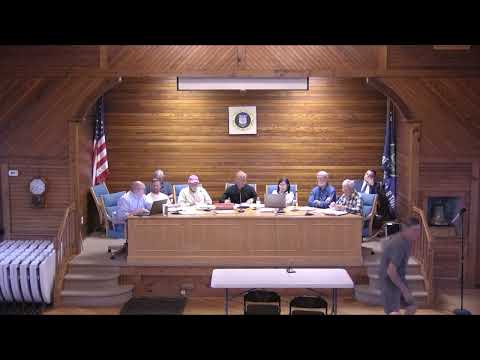
The Town of Clinton Zoning Board of Appeals adopted findings concluding that Hyde Park denials preventing access to a parcel have been reversed by a so‑ordered stipulation and that the matter is now eligible for Planning Board review.
The Town of Clinton Zoning Board of Appeals adopted a detailed findings-and-decision concluding that denials issued by the Town of Hyde Park that had prevented access to a parcel proposed for a conference center have been reversed by a so‑ordered stipulation and are therefore "reversed pursuant to a final non appealable decision," enabling the Town of Clinton Planning Board to resume review of CECNY’s amended site-plan and special-use application for a conference center operated under the 6 Senses brand.
ZBA member Charlie Cannom led the discussion and explained the procedural history: CECNY submitted an amended application seeking site-plan and special‑use permit approval for a conference center on parcels in Clinton and Hyde Park; in 2024 Hyde Park’s zoning administrator and zoning-board-of-appeals decisions had denied access across the Hyde Park parcel, and the Clinton ZBA’s June 2024 decision had held the Clinton application could not advance to the planning board until those denials were reversed. Cannom said Hyde Park later changed its local law and the parties entered a stipulation of settlement approved by the New York State Supreme Court and by resolutions of the respective town boards; the stipulation was served with notice of entry in April 2025 and, because no appeal was filed within the CPLR time frame, the stipulation is not appealable, Cannom said.
Several ZBA members said they were comfortable treating the stipulation as the final non‑appealable decision the board had referenced in June 2024. Cannom said he did not intend the phrase to mean exhaustion of any conceivable challenge, but rather that the specific Hyde Park determinations that prevented access had been reversed. Another member expressed concern about public comments made during an earlier hearing characterizing a Hyde Park official’s actions; that member said such accusatory remarks were inappropriate and should not drive board proceedings.
The ZBA’s resolution recited the chronology in detail (application dates, Hyde Park rulings, the stipulation and court order, service of the stipulation with notice of entry, and subsequent litigation), concluded the Hyde Park denials ‘‘have been reversed pursuant to a final non appealable decision,’’ and directed the chair to sign the findings and decision and the clerk to file the resolution and send copies to attorneys for the principal parties. The motion to adopt the findings and decision passed on the board’s recorded voice vote.
The ZBA noted written submissions from attorneys representing opposing parties were entered into the record and that the findings-and-decision document — described in the meeting as a 12–13 page draft — would be posted on the town website. The board’s action removes the procedural barrier identified in its June 2024 determination and allows the planning board to resume substantive review of the amended site plan and special‑use permit application.