Get Full Government Meeting Transcripts, Videos, & Alerts Forever!
Paul Bunyan Drug Task Force installs automated license-plate readers; officials cite investigative uses and privacy limits
Summary
The Paul Bunyan Drug Task Force described a nine-camera automated license-plate reader network in Beltrami County paid for by grants; officials said data are retained 30 days and shared under Minnesota law but drew questions from commissioners about costs, public notice and long-term funding.
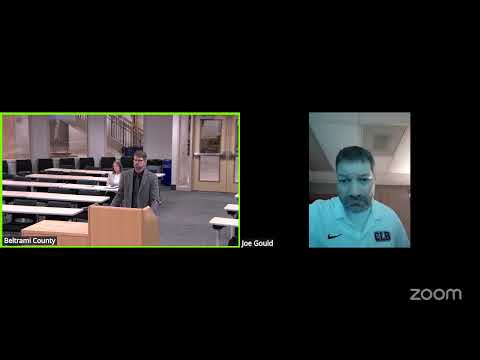
Commander David Hart, commander of the Paul Bunyan Drug Task Force, told the Beltrami County Board of Commissioners that the task force has placed fixed automated license-plate reader (ALPR) cameras at nine locations in Beltrami County and that the system is paid for through task-force grant funds.
Hart said the cameras capture images of vehicle license plates, convert images into searchable plate data and can produce near-real-time alerts when a plate matches a hot list such as stolen vehicles, wanted-person alerts, Silver Alerts or AMBER Alerts. “These cameras pick up on that alert,” Hart said of missing‑person broadcasts, “and if one of the vehicle associated with a child abduction goes by one of these cameras, we’re going to get notified in near real time.”
Hart said the vendor is Flock Safety, which operates a fixed-camera network in 49 states and that, under current practice, the task force retains ALPR reads for 30 days and then overwrites them unless images are exported as part of a…
Already have an account? Log in
Subscribe to keep reading
Unlock the rest of this article — and every article on Citizen Portal.
- Unlimited articles
- AI-powered breakdowns of topics, speakers, decisions, and budgets
- Instant alerts when your location has a new meeting
- Follow topics and more locations
- 1,000 AI Insights / month, plus AI Chat