Get Full Government Meeting Transcripts, Videos, & Alerts Forever!
Get email alerts on the Testing Administration topic
No spam. Unsubscribe anytime.
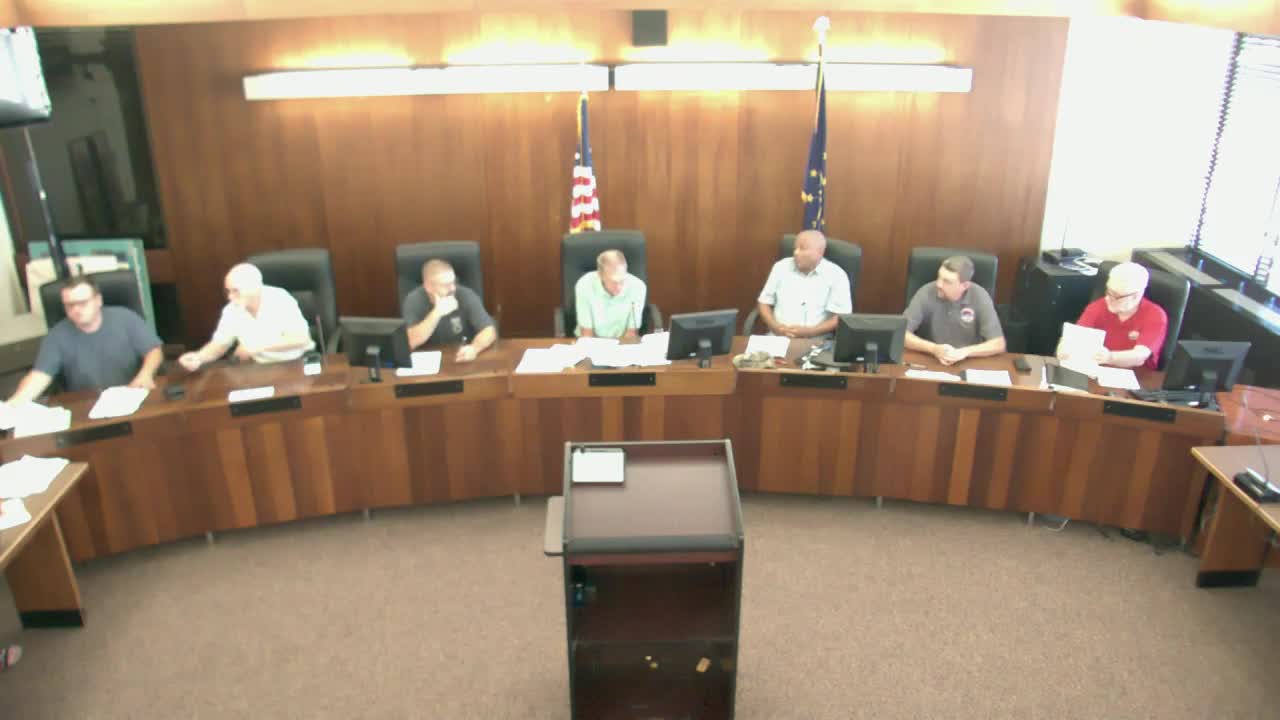
Board discusses switching licensing exam administration to NASCLA/ProV at Ivy Tech; requests cost and seating information
Summary
Board members discussed moving electrical testing to NASCLA/ProV testing at Ivy Tech, reviewed proposed fee splits and expressed logistical concerns about seat availability; no formal vote was taken, staff were asked to obtain vendor cost and seating details.
Members of the Evansville City licensing board discussed a potential transition to NASCLA-administered testing (administered through a ProV/Prometrics arrangement at Ivy Tech), reviewed proposed per-test fee splits and sought information on how many candidates Ivy Tech could seat per session.
A board member reported NASCLA had sent a proposed fee structure and that ProV (the local administrator) would handle on-site administration and grading at Ivy Tech. The outline discussed in the meeting proposed a $125-per-test arrangement with $75 to ProV, $25 to NASCLA and $25 to the licensing board; the board noted the current candidate fee for the test is $175 and asked where the remaining $50 currently goes. Board members also said Ivy Tech presently receives about $100 of the $175 and that the licensing board receives none under the current arrangement.
Members raised operational concerns including how many candidates Ivy Tech could seat at once (the board estimated surges of 4560 candidates at peak times) and whether available seat times would meet local demand. Board members asked staff to confirm two pieces of information with Ivy Tech and the vendor: (1) how many candidates could be accommodated per session and per day, and (2) the per-candidate cost to the board for facility or proctoring fees. The board also discussed test turnaround times; past local testing experiences produced variable results, with grading turnaround times ranging from immediate to several weeks depending on vendor arrangements.
No formal motion to change the testing vendor or the test-administration contract was recorded in the meeting. Board members indicated they could move forward once staff returned with the vendor fees and seating capacity. Members also noted non-financial advantages of vendor-based testing: if the jurisdiction wanted to change the code cycle for testing (for example, moving to a 2026 code), the NASCLA/ProV model would allow an immediate test update.
Board members and staff who spoke during the discussion included representatives who said they had reviewed vendor materials, members who raised concerns about seating and scheduling and members who asked staff to gather precise cost and capacity information before a final decision. The board did not set a firm deadline for a final vendor decision but flagged vendor cost and seating responses as required next steps before any transition.