Get Full Government Meeting Transcripts, Videos, & Alerts Forever!
Get email alerts on the Substance Use Recovery topic
No spam. Unsubscribe anytime.
Sync Recovery Community urges county support after describing growth, costs and services
Summary
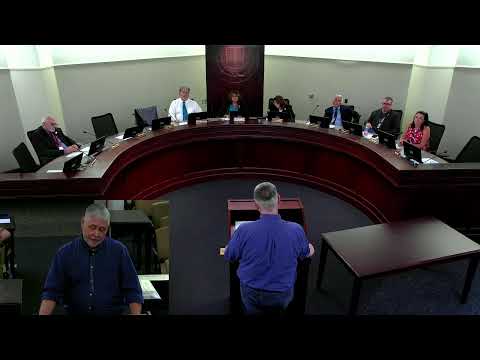
At a Sept. 4 Human Services Committee meeting, Sync Recovery Community outlined its peer-driven programs, participation and budget needs for Northampton County and asked for help sustaining services that organizers say prevent relapse and reduce community costs.
Sync Recovery Community told the Northampton County Human Services Committee on Sept. 4 that its peer-driven events and supports have expanded rapidly in the county and that the group is seeking assistance to sustain and grow services.
Laura Waitz, executive director of Sync Recovery Community, told the committee she founded the nonprofit’s local programming in 2017 and that she is a person in recovery. “My name is Laura Waitz. I am the executive director, and probably most important, I’m a person in recovery. My sobriety date is 07/03/2012,” she said.
The organization described a mix of outdoor activities, training and service projects intended to reduce relapse and strengthen long-term recovery. Waitz said Sync uses four core components—social connection, health and wellness, spiritual principles and service opportunities—to support participants. “Our total budget is $125,000,” Waitz said, and she thanked Northampton County Drug and Alcohol for offering a county contract that started in 2020; that contract has been $90,000 in recent years.
Why it matters: presenters argued that peer supports can reduce the “revolving door” of repeated treatment episodes and lower community costs tied to healthcare, the justice system and lost productivity. Waitz cited national cost estimates and a more recent analysis from Avalere as context for the fiscal burden of substance use disorder.
Details and program data: Waitz said Sync held about 390 events in 2024 with 2,952 registered participants; 1,993 were repeat participants and 721 were first-time attendees. In Northampton County specifically, she said Sync runs about 10–12 events each month. Waitz said Sync is a recognized entity with the state of Pennsylvania to distribute naloxone and other prevention supplies and that volunteers help run programming: “We have about 60 volunteers. We have about 20 volunteers lead groups each month,” she said, and later clarified that 238 individuals participated as volunteers over the year.
Committee members asked about prevention, family inclusion and funding. One committee member asked what “preventative care” looks like in addiction services; Waitz responded that prevention includes early education, stable housing, recovery homes, transportation and peer support to prevent relapse. She also said some preventative steps are being taught in local schools’ health classes but that substance-use-specific instruction was not present in the class she observed.
Family access: committee members asked whether family members may attend Sync events. Waitz said events are open to family and friends and that children may attend when supervised by a guardian. She described instances where family participation created new, non–substance-related connections between relatives.
Funding and next steps: board member Patrick Hockenberry, who also consults on grants, told the committee he joined Sync’s board after working on grants and described the organization’s growth. “We doubled the number of people in Sync in a year,” Hockenberry said. He added, “This is their rehab…It’s inexpensive, and it works.” Waitz asked whether the county could assist with funding or referrals; no formal county action was recorded at the meeting.
Background and limits: presenters and committee members repeatedly distinguished programmatic support and outreach from formal clinical treatment. Waitz acknowledged that Sync complements treatment and other pathways—such as medication-assisted treatment and 12-step programs—but does not replace medical care.
The committee did not take a formal vote during the presentation. Members thanked Sync organizers and invited further engagement about funding and referrals.
Ending: The Human Services Committee adjourned after the presentation; Sync representatives asked to follow up with county staff on possible support and partnership.