Get Full Government Meeting Transcripts, Videos, & Alerts Forever!
Get email alerts on the Behavioral Health Access topic
No spam. Unsubscribe anytime.
CBH outlines 12 pathways to outpatient care, expands rapid-access and Seaside services
Summary
Clatsop County Behavioral Health (CBH) presented 12 access points for outpatient services, highlighted expanded rapid-access clinic hours and planned mental-health drop-in services in Seaside, and clarified referral, crisis and medication-management processes.
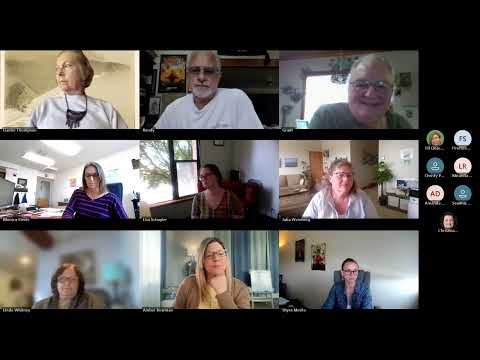
Amanda Donovan with CBH presented an overview of how people can enter outpatient services and described 12 access points, including an online enrollment packet, phone-based engagement specialists, a rapid-access clinic, mobile crisis, recovery ally outreach, jail-based services, shelter- and school-based services, emergency-department referrals, a deflection program and treatment courts.
Donovan said, “I am going to present to you on accessing outpatient services at CBH.” She walked the council through each pathway and emphasized efforts to lower barriers to care.
The rapid-access clinic (RAC) at Bond Street accepts walk-ins Monday through Friday; assessments begin at 9 a.m. and the last assessment used to start at 3 p.m. but staff said hours have been extended so people arriving as late as 4:30 p.m. will at minimum have a conversation and a plan. “If you come in at 04:30, you may not get a full assessment, but you will at least have a conversation with someone who can then make a plan for your return,” a CBH presenter said.
Donovan described mobile crisis as staffed by clinicians who respond within a roughly two-hour window when Lines for Life’s crisis line and triage recommend activation; mobile clinicians perform crisis assessment, brief intervention, safety planning and handoffs to outpatient supports. For medication management, CBH requires a mental-health assessment before psychotropic prescribing and generally prefers three months of counseling before starting medication, except when a fast track is clinically indicated for people with serious and persistent mental illness.
School-based clinicians are stationed at Astoria, Seaside and Warrenton high schools (and one school-based provider has moved under Columbia County’s purview); students older than 14 may consent to services at school. CBH also described a deflection program that can hold citations while a person completes a 90-day program and said the program typically requires law-enforcement referral and engagement within 72 hours.
Council members asked how services reach rural areas. Commissioner Thompson described situations in rural Clatsop County—encampments, public-safety hazards and public-health consequences—and asked whether CBH could address those needs. A CBH representative said recovery ally outreach and peer-based community engagement are the primary strategies for rural outreach, but noted limits: "we cannot force them to engage" and broader housing and affordability constraints affect outcomes.
The presentation also covered partner pathways: warm handoffs from jail staff, coordinated work with shelters (including Esperanza Village, Columbia Inn and Life Boat Services), emergency-department recovery ally responses, treatment-court teams (drug, family and mental-health court) and planned expansion of drop-in mental-health services at CBH’s Seaside clinic (address given as 1005 Broadway Street).
Donovan and other CBH staff offered to circulate the slide packet and access materials in English and Spanish. The council requested follow-up presentations on civil-commitment/aid-and-assist criteria and on private-provider referral processes for clarity about how non-CBH providers make referrals.
CBH staff noted documentation practices for engagement: the engagement team makes three contact attempts before ceasing outreach and recording that follow-up will require the client to reinitiate contact. The presentation emphasized low-barrier intake forms, multiple access points and active outreach by peers and recovery allies to build trust with people who are not yet ready for treatment.
The council scheduled the next meeting for August 7 and listed aid-and-assist/civil-commitment as a planned presentation. The CBH presentation materials will be shared with members.