Get Full Government Meeting Transcripts, Videos, & Alerts Forever!
Get email alerts on the Urban Forest topic
No spam. Unsubscribe anytime.
Park board strongly supports draft Urban Forest Master Plan, urges council to fund staffing and planting
Summary
Consultants from Davie Resource Group presented a draft Urban Forest Master Plan including a city tree inventory and recommendations for staffing, pruning cycles, planting priorities and canopy monitoring; the Park Board voted to forward the plan with strong support and recommended Council consider funding increases.
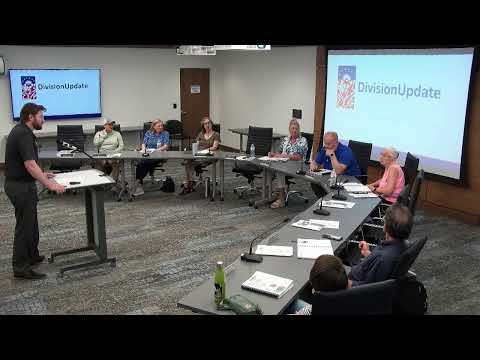
Davie Resource Group presented the draft City of Norman Urban Forest Master Plan to the Park Board on Sept. 4 and commissioners voted to forward the plan to City Council with strong support for its recommendations on staffing, maintenance cycles and canopy management.
Why it matters: The draft plan lays out a strategic, 15–20 year vision for Norman’s urban forest, identifies current canopy and species mix, and recommends new staffing, budget and program actions to protect canopy, reduce wildfire risk and expand equitable tree cover across neighborhoods.
What was presented: Davie consultants Dana Karcher and Sandra Albro summarized the project’s public engagement and inventory work. The team said they conducted community outreach (nearly 300 survey responses and about 350 residents/stakeholders engaged across meetings and focus groups) and produced a street- and park-tree inventory that cataloged approximately 5,775 public trees in managed park areas. Karcher and Albro said the city’s current public-tree cover and species mix (elms and eastern red cedar among the common species named) creates both benefits and vulnerabilities.
Plan recommendations (high level): - Grow a dedicated urban-forestry crew (the plan suggested adding a multi-person tree crew and a crew chief) to reduce reliance on contractors and provide proactive pruning and removals. - Adopt a 5–10 year proactive pruning cycle and prioritize watering and care for newly planted trees (first 3–5 years). - Prepare a canopy study to identify priority planting areas and track long-term canopy change by land use. - Curate a resilient planting palette and public guidance (right tree, right place) to address pests, disease and changing climate conditions. - Launch volunteer and public-education programs, partner with non-profits, and strengthen coordination with utility forestry and other city departments. - Improve annual reporting and the forestry operating procedures manual; consider periodic reports to City Council.
Board discussion: Commissioners asked about eastern red cedar and wildfire risk. Colin Zink, the city forester, clarified that the Davie inventory covered managed park areas and that eastern red cedar concerns are greater when cedars encroach into wildland park areas; in managed parks, the recommendation is to manage and limb trees to reduce ladder fuels rather than wholesale removal. The Davie team emphasized that the plan is meant as a city-owned, adaptive guide and that specific budget and staffing recommendations are included in the plan for Council consideration.
Action taken: The Park Board voted to forward the draft plan to City Council with a strong recommendation to consider the plan’s staffing and budget proposals; board members asked staff to draft a supporting letter for Council.
Ending: The plan proceeding to City Council begins the next step of review; the board’s recommendation emphasizes investment in forestry staffing, proactive maintenance and prioritized tree planting to protect canopy and reduce wildfire risk over time.