Get Full Government Meeting Transcripts, Videos, & Alerts Forever!
Get email alerts on the Pilot Ordinance topic
No spam. Unsubscribe anytime.
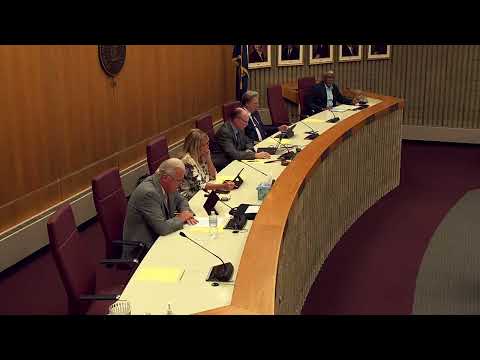
Roseville council tables PILOT ordinance for proposed low-income housing project
Summary
The Roseville City Council on Sept. 23 voted to table consideration of a proposed payment-in-lieu-of-taxes (PILOT) ordinance for a housing project after public concerns about the ordinance's definitions and council questions about occupancy guarantees and contract terms.
The Roseville City Council on Sept. 23 voted to table consideration of a proposed payment-in-lieu-of-taxes ordinance tied to a planned housing project after public comment raised concerns about the ordinance's definitions and council members pressed staff for more financial scenarios.
The ordinance before the council would set a PILOT rate of 8.77% for the first 15 years, a figure the presenter said was adjusted because the project's effective year is now anticipated to begin in 2027 rather than 2026. The council voted to table the matter for additional information and negotiation authority.
City attorney and council staff had previously revised the ordinance to reflect a later start date and an 8.77% rate for the first 15 years. "They are now looking at year 1 being 2027. So they just adjusted the numbers accordingly with our assessor. And so now this everything equals out at the 8.77%," said Mr. Garmicchio, who presented the revised ordinance to the council.
The project team's financial assumptions and occupancy levels drew council scrutiny. The presenter said the model assumes 97% occupancy. Councilman Knox asked whether the city would be protected if occupancy fell to 80% and was told the rent and revenue impacts would vary by year because market rents change. Council members asked staff to return with numbers showing revenue at lower occupancy levels and suggested negotiating occupancy guarantees (examples discussed included 90% or 95%) before final approval.
Public comment at the hearing emphasized clarity in the ordinance's definitions. Monica Troniak of 17934 Martin Road told the council the term "low income" in the draft is vague: "the ordinance is written for a housing project designed for low income persons and families. However, the term low income can be misleading as its definition is contingent upon key factors such as household size, location, and the ages of family members." Troniak also raised operational concerns including a reported waiting list at a referenced complex of "no less than 3 years" and worries about rent increases and tenant displacement during updates.
Council members and staff discussed constraints imposed by housing authorities. When asked whether the council could require guaranteed occupancy levels in the contract, staff said there are limits set by the relevant housing authority and that some terms "may skew what that number may be," and that they did not have a definitive answer at the meeting. Council members noted a legal/administrative constraint that, as presented, precludes renegotiating the agreement prior to a 15-year minimum period.
Councilman Knox moved to table the item for further work; Councilman Leticia supported the motion. The motion to table passed on a voice vote.
The council directed staff to return with occupancy-scenario numbers, to ask whether the developer would accept a lower guaranteed occupancy threshold (the council asked staff to attempt to seek 90%), and to continue negotiations on contract language before bringing the ordinance back for a vote.