Get Full Government Meeting Transcripts, Videos, & Alerts Forever!
Get email alerts on the Sunshine Law topic
No spam. Unsubscribe anytime.
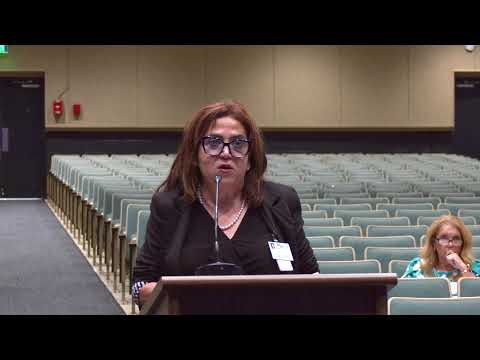
School-board attorney tells Marion surtax oversight committee it must follow Florida Sunshine Law
Summary
At a Marion County School Board surtax oversight committee meeting, the board attorney explained how Florida's Sunshine Law applies to advisory subcommittees, warned of civil and criminal penalties for violations, and urged members to keep discussions and records within the committee's publicly noticed meetings.
Attorney Powers, representing the Marion County School Board, told the school capital outlay surtax oversight committee that Florida's Sunshine Law applies to advisory committees and restricts private communications among members about matters that could come before the board.
Powers said the Government in the Sunshine Manual and attorney general opinions guide how boards and subcommittees must operate and reiterated that meetings must be publicly noticed and open. "The Sunshine Law restricts board members from being able to meet with each other or communicate with each other about factors that may come up, in a vote later," Powers said.
The explanation came after the committee took a roll call and approved minutes for previous meetings. Powers outlined the difference between public records law and the Sunshine Law, noting that records are largely open unless exempted while the Sunshine Law "speaks to meetings of the board or any subdivision of the board." He told members they should avoid private emails, phone calls or lunches to discuss committee business and, if any such communications occur, disclose them in public meeting minutes.
Why this matters: the committee is charged with reviewing surtax expenditures and reporting annually to the superintendent and school board. Powers said the group's primary responsibility is to confirm that expenditures conform to the ballot language that authorized the surtax, calling that language the committee's "guiding pole star." He also warned the committee that civil and criminal penalties exist for willful Sunshine Law violations, though prosecutions are rare and often reserved for intentional misconduct.
Powers described how attorney general opinions and court cases create a patchwork of guidance and said he advises the board regularly to avoid inadvertent violations. He also clarified the committee's scope: members may request information from staff about purchases and report inconsistencies between ballot language and actual expenditures, but should not undertake tasks that belong to the school board itself (for example, wholesale changes to owner-direct purchasing policy).
Committee members were given opportunity to ask questions; Powers offered to research specific queries and provide additional guidance outside the meeting. The committee then moved on to the next agenda item.