Get Full Government Meeting Transcripts, Videos, & Alerts Forever!
Get email alerts on the Occupational Licensing topic
No spam. Unsubscribe anytime.
Committee hears proponents who seek online option for continuing education in licensing reforms (House Bill 48-95)
Summary
The House Education and Workforce Committee heard testimony in favor of House Bill 48-95, which would allow continuing education for occupational licenses to be completed entirely online.
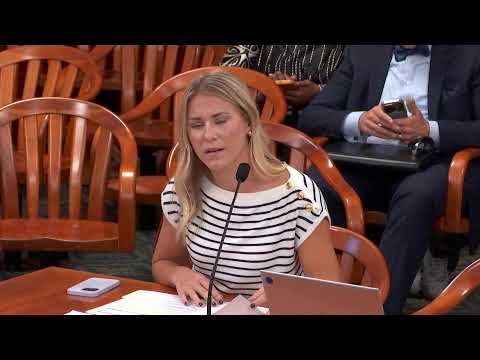
Vice Chair Linting introduced House Bill 48-95 as part of the red tape reduction initiative and called forward proponent testimony. A witness speaking in support told the committee that unnecessary in-person continuing-education mandates create barriers for workers in rural areas, workers juggling multiple jobs and those with childcare responsibilities, and urged the committee to allow continuing education to be completed online.
"The requirement that continuing education must be completed in person does not make the public safer or healthier," the proponent said, arguing that online options give professionals flexibility without lowering standards. The witness said many occupations already use some online continuing education — examples listed to the committee included accountants, real estate agents, barbers and cosmetologists — and that the bill would align Michigan with other states that permit online continuing education.
Committee members asked follow-up questions. Representative Weiss asked which occupations would be affected; the proponent said a document provided to members lists examples and that many of the occupations already allow online components. Representative Burns and another member raised verification and implementation concerns, asking how the state would confirm the identity of licensees completing online training and whether online instruction would become mandatory. The proponent indicated the bill is intended to allow, not force, online learning and acknowledged that verification issues could be addressed in subsequent drafting.
Written support cards were filed by the Michigan Chamber (Randy Grow Gross) and by a person named Laura; both supporters did not wish to speak. No committee roll-call votes on the bill are recorded in the provided transcript excerpt.
Next steps
The committee took testimony and flagged drafting concerns to be resolved, including verification of trainee identity and whether statutory language should use "may" rather than "shall" to preserve optional online delivery.