Get Full Government Meeting Transcripts, Videos, & Alerts Forever!
Get email alerts on the Cap And Invest topic
No spam. Unsubscribe anytime.
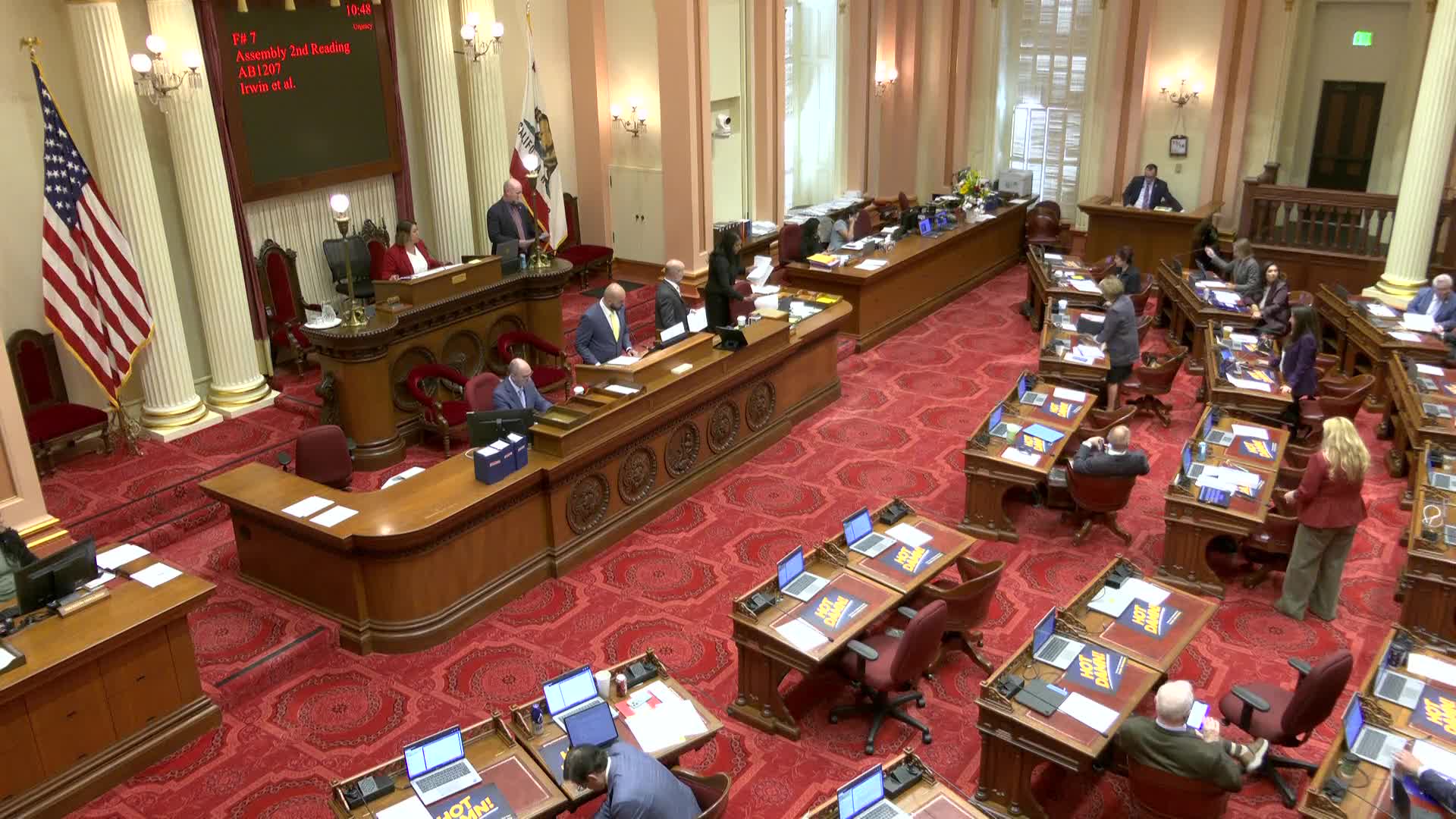
Senate reauthorizes Californiacap-and-invest program, advancing billions for affordability and climate programs
Summary
The Senate approved a pair of bills reauthorizing Californiacap-and-invest (AB 1207 and SB 840), extending the program into 2045 and directing billions to utility bill rebates, transit, housing, wildfire prevention and other climate investments after floor debate over costs, oversight and regional impacts.
The California State Senate on Saturday voted to reauthorize the statecap-and-invest program, approving Assembly Bill 1207 and a companion measure, SB 840, to extend the program to 2045 and direct multi-billion-dollar investments to affordability, transit, housing and wildfire prevention.
Supporters said the package will lower utility bills, expand rebates timed to high-cost months and fund climate and community programs. Opponents warned about costs to consumers and urged stronger plans for affordability and wildfire mitigation.
The bills were presented to the Senate by Senator Limon on behalf of Assemblymember Erwin; Limon said AB 1207reestablishes Californiacap-and-tradeleadership and will connect markets and fund cleaner energy. The chamberalso heard extended remarks from the President pro tempore (Pro Tem), who called the package "truly one of the most impactful affordability climate and energy packages in our state's history."
Why it matters: Supporters said reauthorization stabilizes long-range planning for emission reductions while funneling revenues through the Greenhouse Gas Reduction Fund (GGRF) into programs that reduce household energy costs and invest in infrastructure. Critics said the bills do not fully guarantee short-term affordability for all households and questioned whether investments are reaching the communities most affected by pollution and high costs.
Major provisions and numbers: The measures reauthorize the program through 2045 and expand the stateclimate credit so rebates are concentrated on electric bills as customers electrify. The Pro Tem said the package includes $63,000,000,000 over the next decade for utility bill reductions and other climate investments; supporters also cited investments for transit, housing and safe drinking water. The bill text and floor discussion also referenced the Greenhouse Gas Reduction Fund (GGRF) and AB 32 (2006), the law that established Californiacap-and-trade.
Floor debate: Proponents including Senator Blake Spear and Senator Laird emphasized economic and environmental benefits, saying the program uses a price on carbon to fund alternatives like transit and renewable energy. Senator Caballero and others emphasized regional differences, the need to protect low-income households and maintain investments for agriculture and rural water programs. Several senators, including Senator Searto and Senator Anilo, expressed strong reservations, arguing the program has not delivered sufficient affordability and questioning whether additional years of the program should be approved without more robust transition planning. Senator Smallwood Cuevas and others pressed for stronger oversight, reporting and measures to ensure funds benefit disadvantaged communities.
Roll call and outcome: The Senate recorded a roll-call vote after debate. AB 1207 passed on the floor with Ayes 29, Noes 6. SB 840 (the companion measure taken up later in the day) also passed; the transcript shows concurrence with assembly amendments and recorded Ayes 28, Noes 0 for urgency and concurrence steps taken on that measure.
What remains: Supporters promised continued legislative oversight; some senators said they expect follow-up work to track impacts on ratepayers, air quality and labor standards. Critics urged further steps to tie program changes to measurable affordability outcomes and to preserve funding for agriculture and rural communities.
Ending note: Backers called the package a mix of climate ambition and consumer relief; opponents urged caution and stronger safeguards for affordability as reauthorization proceeds to final steps beyond the Senate.