Get Full Government Meeting Transcripts, Videos, & Alerts Forever!
Get email alerts on the Public Comment Transit topic
No spam. Unsubscribe anytime.
Public comment at council raises transit wheelchair safety, redevelopment impacts and calls for broader outreach
Summary
Multiple public commenters urged the council to address bus accessibility and outreach to marginalized neighborhoods. A resident raised long‑standing redevelopment concerns for Mason Street; a caller and an in‑person attendee described wheelchair users’ difficulties boarding buses and urged a city vision that prioritizes equitable service.
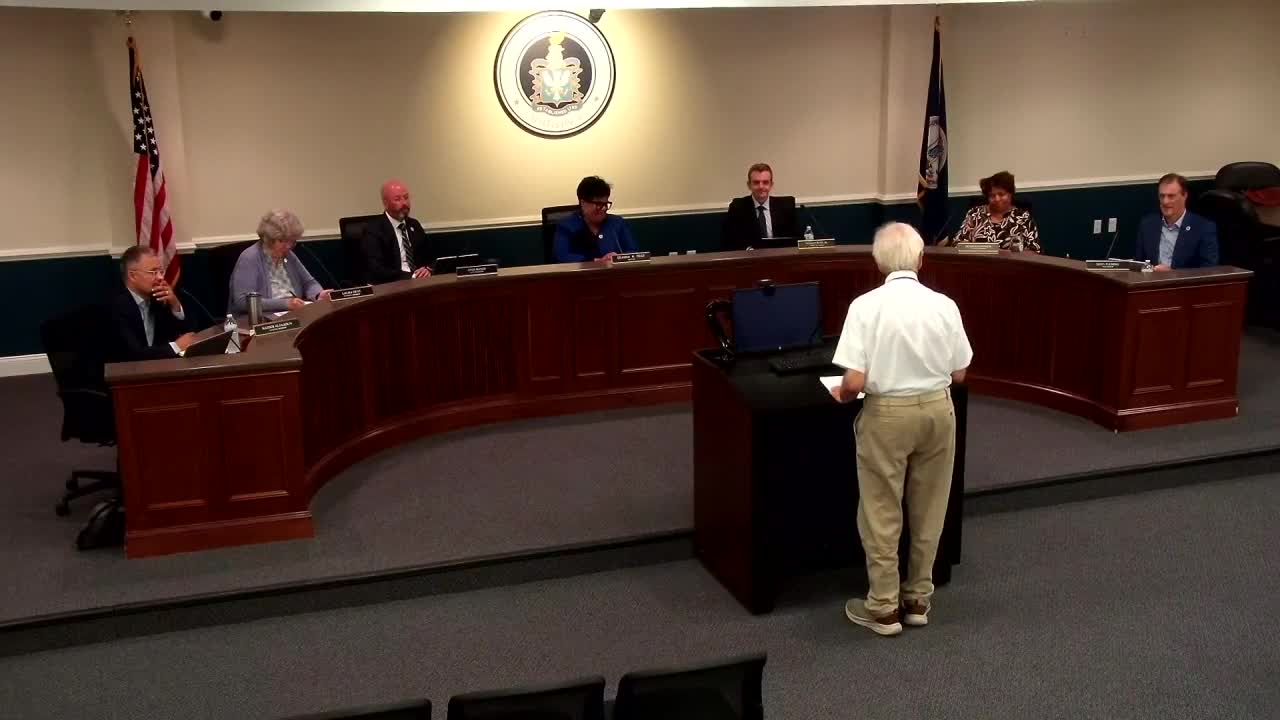
During the Sept. 23 public‑comment period at Harrisonburg City Council, multiple speakers raised concerns about public‑transit accessibility, redevelopment impacts on neighborhoods and the need for city leaders to expand outreach into diverse communities.
Wayne B. Wanger, a Harrisonburg resident who gave his address as 641 Broadview Drive, spoke about perceived harms from past redevelopment on Mason Street and expressed frustration about neighborhood change and displacement. Wanger asked that the city recognize historical impacts of redevelopment and memorialize decision makers in an appropriate way.
Doctor Caceja (who stated an address of 257 Fairway Drive) urged council members to expand in‑person outreach and to meet leaders from communities who have been reluctant to participate in civic events. He said some residents fear interactions with federal immigration enforcement and recommended more door‑to‑door and neighborhood outreach to learn what residents need.
A caller who identified as Panayiotis (city resident) reported firsthand observations of wheelchair boarding problems on local buses, echoing testimony raised previously to council. The caller said he saw bus drivers struggle to secure wheelchairs and observed a wheelchair swing while the vehicle moved; he described the emotional toll for riders who face repeated accessibility failures and urged the city to adopt a service vision that treats paratransit and wheelchair accommodation as core responsibilities rather than optional add‑ons.
Panayiotis recommended training, supervisory changes and a policy shift so that drivers are hired and trained with wheelchair and bike‑rack handling as primary job tasks. Councilmembers and the caller discussed whether the problem reflected training, vision for public transit or equipment and suggested follow‑up with transit staff.
Ending: Council closed public comment and asked staff to note concerns. Members expressed interest in continuing conversations about access, outreach and planning with affected communities.