Get Full Government Meeting Transcripts, Videos, & Alerts Forever!
Get email alerts on the Property Recording Assessor Endorsement topic
No spam. Unsubscribe anytime.
Assessor must endorse most property-transfer documents before recorder will record them, Marion County staff say
Summary
Marion County assessor's office staff said during the recorder's office program "On the Record" that most property-transfer documents must be reviewed and stamped by the county assessor before the recorder's office will accept them for recording.
Marion County assessor's office staff said during the recorder's office program "On the Record" that most property-transfer documents must be reviewed and stamped by the county assessor before the recorder's office will accept them for recording.
The requirement affects deeds, affidavits, land contracts, plats and other conveyance documents; assessor staff said the process ensures ownership and tax records reflect current information.
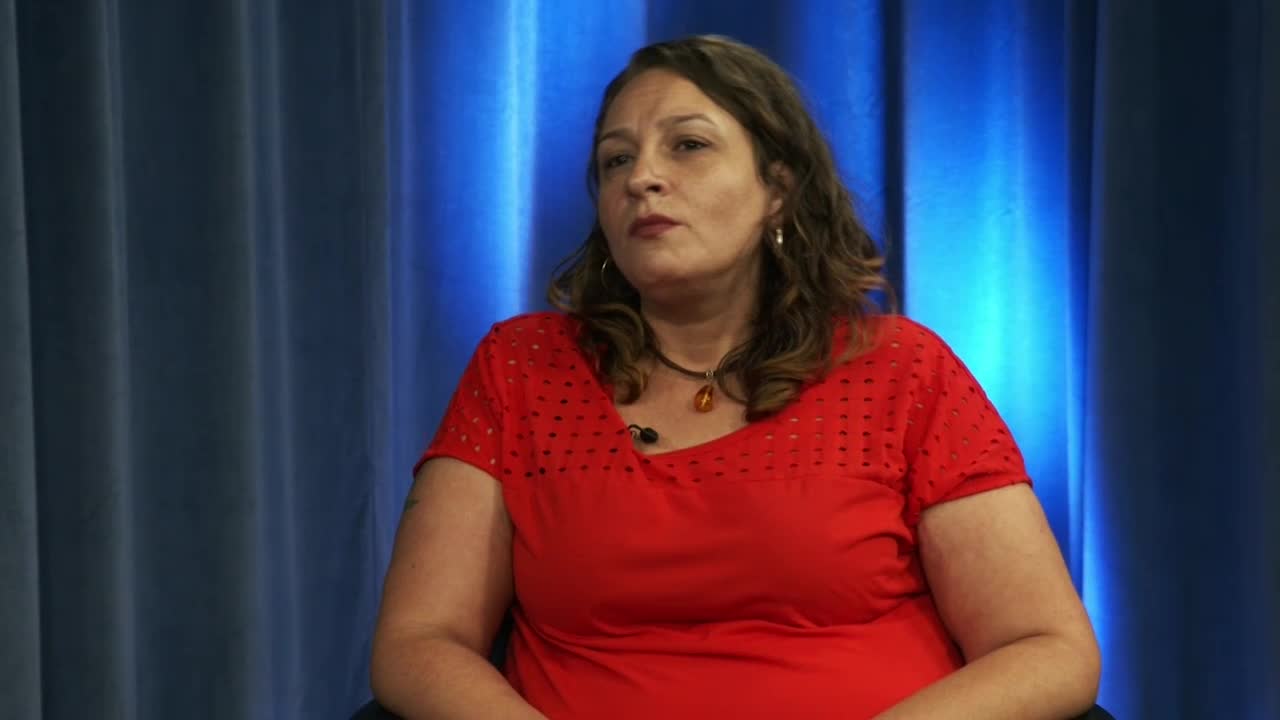
Lisa Sanchez, a department manager in the Marion County Assessor's Office, said, "Most documents need to come to the assessor's office to get stamped, endorsed by the county assessor, that involve property changes or property transfer ownership." She listed deeds, affidavits, land contracts, plats and replats among documents that typically must pass through the assessor first.
Sanchez said the assessor's office requires a property sales disclosure form for conveyances "conveyed due to valuable consideration" and that the form is used "to collect data to ensure accuracy with property assessments." She said the disclosure accompanies conveyance documents when they are filed with the assessor.
The assessor's office also requires a specific tax mailing address on transfer documents, Sanchez said. "All documents that come through the assessor's office need to list a specific tax mailing address," she said, noting that an "after recording" address is also commonly provided; the tax mailing address ensures the taxpayer receives the tax statement.
Carl McKissick, the recording manager in the Marion County Recorder's Office and host of the program segment, and Sanchez discussed routine exchanges between the two offices. McKissick introduced the topic and asked the assessor's office guest to explain why the assessor endorsement is needed before recording.
Sanchez described the county property record card as the central reference for an individual parcel. "There's usually a sketch layout of the property as far as the dimensions. It will list the property assessed value, the ownership, where the tax bill is going to, parcel number, legal description," she said, adding that "majority of the information for a specific property will be found on the property record card."
No formal action was taken in the program segment; the statements were informational. Faith Kimbo, Marion County recorder and the program's host in the episode's opening, said the county assessor, Joseph O'Connor, is expected to appear on a future episode.
Questions about specific recording or assessment requirements should be directed to the Marion County Recorder's Office or Marion County Assessor's Office; the program segment did not provide a web link or phone number.