Lifetime Citizen Portal Access — AI Briefings, Alerts & Unlimited Follows
Residents and advocates press California City council to act on CoreCivic detention facility amid reports of medical neglect and absent permits
Loading...
Summary
Dozens of speakers at the Sept. 23 California City council meeting demanded the council agendize review and enforcement actions after CoreCivic began operating an ICE detention facility; speakers alleged unsafe conditions, a hunger strike and operation without required local approvals. Council took no formal enforcement action at the meeting and a
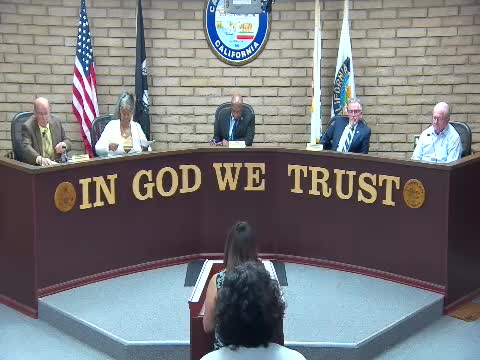
California City — Scores of residents, immigrant-rights advocates and legal observers pressed the California City Council on Sept. 23 to take immediate steps to investigate and halt operations at the privately run CoreCivic facility in California City, saying the center has received detainee complaints of denied medication, food-related protests and poor drinking water while operating, they say, without required city permits.
The speakers, representing local and statewide advocacy groups and families of detained people, urged the council to agendize CoreCivic for formal review, request inspections and pursue enforcement or legal remedies. "We are here again, outrage that the California City Correctional Facility has been operating for almost a month without, potentially valid permits," said Marcela of Detention Watch Network during public comment.
Those calls came after advocates and detainees reported a hunger strike in which more than 100 people refused meals to protest conditions. Witnesses and advocates described detainees being denied medicines, limited access to legal resources and, they said, retaliation by facility staff including lockdowns and solitary confinement. "They were met with retaliation by guards and ICE, including a multi day lockdown, cutting off access to telephones," Marcela said. Several speakers said they had received repeated accounts of medical neglect that in some cases escalated to near-fatal episodes.
Why it matters: speakers said the matter touches on public health, public-safety and municipal law. Several advocacy organizations noted state law requirements for public notice and permitting for facilities that house detainees; at least one speaker referenced SB 29 as a statutory process the city should follow when a conditional use permit is required. Community members also warned of reputational and legal risks to the city if the facility continues to operate without full local review.
What the council did: Council members did not vote on enforcement or closure at the meeting. Public comment was extensive, and multiple speakers asked the council to place CoreCivic on a future agenda so the city could take up permit status, inspection reports and possible fines or injunctions. An organizer said the mayor had earlier acknowledged the facility opened without proper permits and that the city attorney was reviewing options; however, no formal enforcement motion or action was recorded in open session on Sept. 23.
Voices from the meeting: In addition to Marcela, speakers included Amanda Diaz of the California Dignity Not Detention Coalition, Bertie Hernandez of the California Immigrant Youth Justice Alliance, Melissa Fierroa of the California Immigrant Policy Center and community members who said family members were detained there. "It hasn't even been a full month since California City has started detaining community members and there has already been multiple near-death experiences in this facility," Amanda Diaz said from Zoom. Melissa Fierroa told council members the facility operated "unlawfully without proper permits" and said she was urging the council to deny permits and shut the facility.
Advocates suggested next steps that they said are available to the city: require CoreCivic to apply for applicable conditional or business permits, inspect the facility and, where permitted by state law, pursue administrative enforcement including fines or referral to the attorney general. Several speakers suggested the city coordinate with the California attorney general and with state regulatory agencies.
Council and staff response: Council members acknowledged public concern several times during the meeting and the mayor and staff referenced legal review in closed session earlier that night, but no public action to agendize or order inspections occurred before the meeting recessed. Organizers and residents said they intend to return and repeatedly asked the council to place a CoreCivic item on the Oct. 14 agenda.
Bottom line: The Sept. 23 meeting served as a major public airing of complaints about the CoreCivic facility; the council did not adopt any enforcement action in open session. Advocates left the meeting calling for timely council action, formal permitting review and independent inspections. The community and multiple advocacy organizations indicated they will continue to press the council in future meetings.