Get Full Government Meeting Transcripts, Videos, & Alerts Forever!
Get email alerts on the Public Health topic
No spam. Unsubscribe anytime.
Solano County designates Suicide Prevention Week; survivors, county behavioral-health officials urge broader outreach and services
Summary
The Board approved a resolution designating Sept. 7–13 as National Suicide Prevention Week. County Behavioral Health staff and suicide-loss survivors described local services, statistics and postvention work and urged greater community awareness and support.
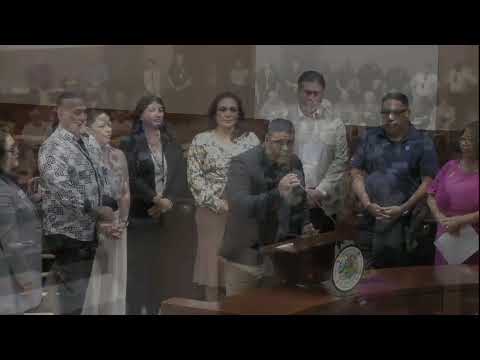
The Solano County Board of Supervisors on Sept. 9 adopted a resolution designating the week of Sept. 7–13, 2025, as National Suicide Prevention Week and heard extended presentations from county behavioral‑health staff and suicide‑loss survivors.
Why it matters: county staff framed the week as a public‑health and prevention priority. Behavioral‑health officials described current services, outreach and postvention supports and urged residents to use available resources. Several survivors described the long-term trauma and called for expanded prevention and survivor support services.
What county staff said Eugene Dura, Mental Health Services Manager for Solano County Behavioral Health, introduced the topic and thanked the wellness and recovery team. Dura noted the resolution and the county’s partnership with the Solano County Suicide Prevention and Overdose Coalition.
Lanugage and statistics presented during the meeting included numbers from national and county sources: the American Foundation for Suicide Prevention estimate cited in the presentation was roughly 49,000 U.S. deaths by suicide annually; Dura said Solano County recorded 53 suicide deaths in 2024 and 25 deaths in the first six months of 2025 (six fewer than the first half of 2024), figures the county presented as reason to prioritize prevention, postvention and outreach.
Local survivor testimony and programs Laurie Espinosa, the county’s suicide response coordinator who described herself as a suicide-loss survivor, emphasized postvention and the need to support people who have lost loved ones to suicide. Espinosa described a photo essay displayed in the chambers lobby documenting the stories of county loss survivors and urged board members to view the display and sign the guestbook.
Taylor Burton, a long-time survivor group member, and Elizabeth Wayne, a new peer volunteer in the county wellness and recovery unit, shared personal recovery narratives that illustrated the long-term effects of suicide and the ways peer support and therapy can help. Wayne described her own diagnosis and recovery steps and credited peer groups and cognitive-behavioral therapy for helping her manage depression and return to creative work.
Behavioral‑health priorities County staff emphasized three linked priorities: prevention (training and outreach), immediate response (crisis and suicide‑response coordination) and postvention (support for survivors and public memorialization). The department said it facilitates survivor groups, loss‑survivor trainings, and coalition work and invited the public to a national survivors’ event in November organized by the American Foundation for Suicide Prevention.
Board reaction and action The board adopted the resolution by a 5-0 vote. Supervisors thanked staff and survivors for their presentations and directed staff to continue coalition work, community education, and coordination of survivor support groups. No new funding was approved during the meeting; supervisors emphasized the need to sustain existing programs and to pursue grants and other funding sources where appropriate.