Get Full Government Meeting Transcripts, Videos, & Alerts Forever!
Get email alerts on the Teacher Pay Retention topic
No spam. Unsubscribe anytime.
Teachers and union representatives press Washington Unified board for higher pay and better benefits amid rising turnover
Summary
Dozens of teachers, union leaders and classified staff used public comment and association reports at the Sept. 11 Washington Unified board meeting to urge the district to improve pay and benefits, citing high turnover and salary and health‑care gaps with neighboring districts.
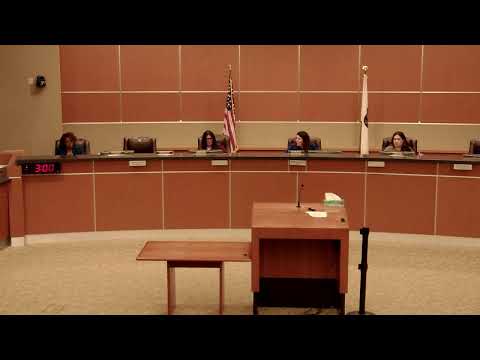
Dozens of educators and union leaders addressed the Washington Unified School District board on Sept. 11, pressing officials to improve pay and benefits to retain teachers and specialized staff.
WSTA president Nepp told the board West Sacramento is losing experienced teachers to neighboring districts and said the district’s compensation lags significantly. “Our attention, our attrition is growing each year, and the quality of teachers we are losing cannot be overstated,” Nepp said. She cited district comparisons presented to the board and said nearby districts often pay about $20,000 more and offer more comprehensive health coverage.
Several individual teachers gave two‑minute public comments describing colleagues who had left or were considering leaving because of pay and benefit differences. Eileen Pfeiffer, a resource specialist at Elkhorn Village with 12 years in the district, said she drives across the Causeway each day from a neighboring district where she would earn more. “I don’t want to leave,” Pfeiffer said, “but I also don’t want to say goodbye to more amazing teachers year after year because it’s something each one of you here tonight could fix right now.”
Other speakers gave classroom and staffing examples: a Bridgeway Island teacher described reclassifying 17 students in one year and said compensating teachers fairly is essential to keep experienced educators. Multiple speakers said expensive employee health‑care contributions and low salary steps undermine retention. One speaker representing the bargaining team criticized a district counteroffer that he described as a 2% raise and a freeze on the salary schedule, and urged the board to consider offers comparable to nearby districts.
Speakers and union leaders asked the board to accept the bargaining team’s proposals, to prioritize competitive salary schedules and to ensure healthcare costs do not drive staff away. A WSTA bargaining team representative said the union and many teachers feel the district’s public statements have not matched offers at the bargaining table.
Board members acknowledged the concerns and said they were taking them seriously. Multiple trustees noted they are working with bargaining partners and described additional budget work in finance subcommittee meetings. Superintendent Hildreth and board members said the district is engaged in negotiations and that summer and one‑time budget reviews are underway.
No formal board action on bargaining was taken at the meeting. The gathering included association reports from labor representatives and a sequence of public commenters who outlined the staffing and compensation challenges.