Get Full Government Meeting Transcripts, Videos, & Alerts Forever!
Get email alerts on the Charter Governance topic
No spam. Unsubscribe anytime.
Clawson candidates split over May special election that revisited charter expansion
Summary
Candidates at the Sept. 17 forum differed on the May special election that revisited a change to the city charter expanding council seats from five to seven; some called the special election a waste of roughly $20,000–$25,000 while others said it was a democratic check worth the cost.
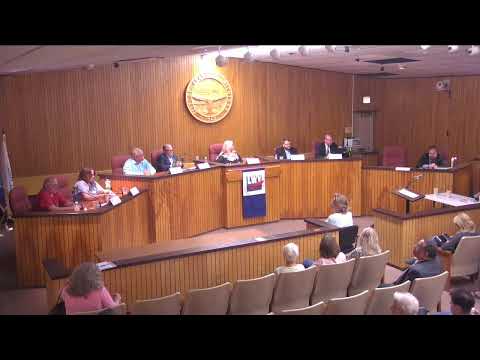
Candidates at the League of Women Voters forum revisited a May special election that gave Clawson voters another opportunity to approve or reject a recent change to the city charter expanding the council from five to seven members.
Some candidates said the special election was an unnecessary expense and argued the charter revision had already been approved in a prior process. One candidate called the election an “enormous waste of money” and said voters had already expressed their will. Several others said the optics and cost — candidates discussed figures in the range of $20,000 to $25,000 — made the special election questionable.
By contrast, other candidates defended the decision to hold the special election as a democratic remedy for a specific change some residents found controversial. A candidate who supported rerunning the question said the election “gave voters an opportunity to share their voice” and argued the expenditure was justified to protect voters’ right to decide the issue.
Context: Candidates noted that other posts and commissions in Clawson carry larger memberships (for example, the planning commission) and some questioned why council membership should be limited to five. The forum presenters also noted the special election’s fiscal hit was relatively small in the context of larger budget items but said the principle of re-litigating a recently adopted charter raised procedural questions.
Ending: The special election and its cost remain a point of division among local candidates: some viewed it as a wasteful revisit of a finished process, while others said it was a legitimate democratic correction.