Lifetime Citizen Portal Access — AI Briefings, Alerts & Unlimited Follows
Puerto Rico lawmakers probe slow FEMA reimbursements, split oversight as agencies report gains on power-restoration projects
Loading...
Summary
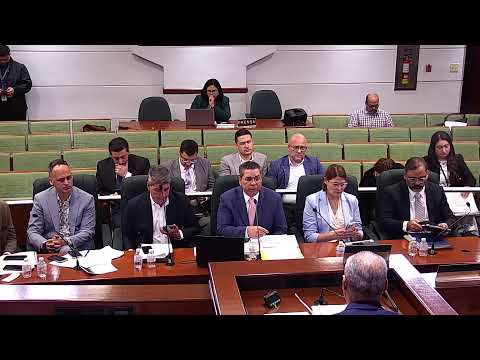
Puerto Rico’s House Government Commission heard two days of testimony on Sept. 22 focused on the island’s electrical-grid reconstruction, including how FEMA FAST funds have been obligated and reconciled and which agencies oversee project decisions.
Puerto Rico’s House Government Commission heard two days of testimony on Sept. 22 focused on the island’s electrical-grid reconstruction, including how FEMA FAST funds have been obligated and reconciled and which agencies oversee project decisions. Officials reported measurable progress on generating capacity and battery projects, but lawmakers and the authority said the utility operator Luma has fallen behind on documentation and reconciliations needed to convert federal advances into reimbursements.
The hearing brought officials from Genera (generation operator), the Puerto Rico Electric Power Authority (Autoridad de Energía Eléctrica, AE or PREPA), Luma (transmission and distribution operator), and the Commonwealth’s Federal Recovery office (COR3). Genera representatives told the commission they have returned more than 1,200 megawatts of generating capacity to service since July 2023, and that several major units — including a Palo Seco unit already in testing — are scheduled to enter service in coming weeks. Genera also said it has obligated projects under FEMA FAST and signed major battery storage contracts it described as central to reliability improvements.
Authority and recovery-office witnesses described how FEMA’s FAST program (Section 428 of the Stafford Act) and related mitigation funding (Section 406) were consolidated into a single prioritized list submitted to FEMA at the end of July. Mary Zapata, executive director of the Autoridad de Energía Eléctrica, told lawmakers the authority now oversees a consolidated project list intended to make the best use of limited federal allocations and to avoid starting projects that cannot be completed with currently obligated funds. The office coordinating federal recovery (COR3) and the Governor’s energy representative said FEMA has signaled it will accept projects formally submitted by PREPA, which makes PREPA the ultimate federal subrecipient even when operational responsibilities are delegated.
But the session underscored a persistent bottleneck: converting federal "working capital" advances into reimbursed spending. Witnesses described a two-step reality. Federal or COR3 advances can provide initial cash (commonly quoted as 25% advances on projects), but agencies must submit documentation and reconciliations to get those advances converted to federal reclaims. COR3 officials told the committee that sizeable advances have been issued to operators but that, where reconciliations are late or insufficient, COR3 may require the federal advance be returned or recalculated. The recovery office reported that, for certain operators, much of the working-capital advance remains unreconciled, slowing true “reimbursement” and limiting available liquidity for new work.
Luma and other witnesses pointed to federal processes — environmental and historic-preservation reviews and FEMA documentation rules — and to technical challenges such as global supply chains for batteries and generators as causes of delay. Luma said it has obligated hundreds of projects and is executing dozens in parallel; Luma representatives also summarized regional vegetation-clearing allocations and work they are performing island-wide. COR3 and AE officials replied that, even where funds or advances exist, they cannot grant reclaims unless documentation and project scopes meet FEMA’s standards. Those conversations formed the backdrop to repeated legislative demands for clearer data-sharing, more frequent reconciliations, and enforceable timelines.
Lawmakers repeatedly pressed for project-specific transparency. Committee members asked for, and were promised, granular lists and status updates — including how many poles and luminaires have been replaced and the mileage of vegetation clearing completed in each region — to be delivered to the commission within days. Officials said they would provide a range of project-level data within the requested timeframe.
Where progress was highlighted: Genera and PREPA credited recent actions with averting the widespread, rolling outages projected for the summer. Officials said that coordinated repairs and unit restarts, combined with battery storage procurements and temporary generation, raised available capacity substantially and allowed the island to meet peak demand without the multi-week daily load shedding that had been anticipated.
Where disagreement persisted: who must submit what, to whom, and when. COR3 and PREPA described the consolidated prioritized list sent to FEMA and said FEMA indicated PREPA is the official submitter for FAST projects. Luma and Genera expressed concern about procedural changes that require PREPA review before projects are forwarded to FEMA; they warned this could delay projects unless review processes are predictable and prompt. COR3 and AE said the change restores the legal chain of responsibility for federal funds and helps prevent ineligible spending that ultimately would fall to Puerto Rican taxpayers.
Lawmakers closed the hearing by reiterating demands for timely, auditable project records and for better public communication: replacement-post counts, luminaires replaced, vegetation-clearing miles by region, and reconciled amounts for federal advances versus reclaims. Committee members said they will follow up and consider further oversight steps if promised data do not arrive on schedule.
The hearing produced no formal votes. It did produce a series of requested deliverables to the commission, including a consolidated project-status spreadsheet and reconciled accounting records promised by recovery and utility officials.
Ending: Officials said they will supply detailed reconciliations and project lists to the commission within days, and the panel set follow-up oversight to track whether reconciled federal reimbursements and project completions accelerate. Lawmakers emphasized they will continue to press for data that residents and municipal leaders can use to track repairs and to hold operators accountable for performance and documentation.