Get Full Government Meeting Transcripts, Videos, & Alerts Forever!
Get email alerts on the Jail Capacity topic
No spam. Unsubscribe anytime.
Cole County leaders weigh jail capacity options as out‑of‑county housing costs near $500,000 year‑to‑date
Summary
Commissioners, the sheriff and prosecutors discussed rising costs to house inmates outside the county and considered options including operational changes, converting part‑time prosecutor roles to full time and building out additional jail beds.
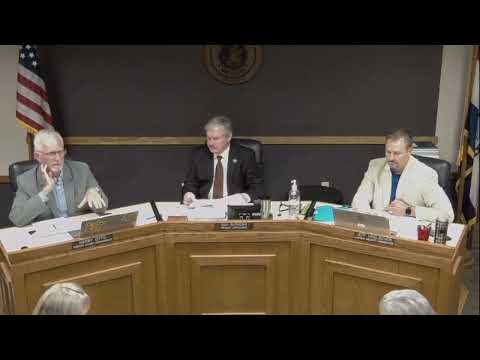
County leaders used the Aug. 19 meeting to discuss jail population dynamics and the rising expense of housing inmates out of county. Commissioners were told the county had spent roughly $297,000 through July to house prisoners outside Cole County and that, if annualized, that pace could exceed the $450,000 budgeted for the year. The sheriff and prosecutor described multiple drivers for out‑of‑county housing, including classification needs, capacity mismatches by sex and security level, and the county’s use of federal contracts that both generate revenue and require enhanced security protocols.
Key points raised included: - Federal holds: Cole County houses federal detainees under contract; commissioners were told the federal partnership brings revenue but also requires specific handling and staffing (including two deputies for transport and additional security standards). The sheriff said federal partners have capacity and that a larger local facility would likely attract more federal holds. Commissioners noted federal revenue can offset operating costs. - Out‑of‑county housing drivers: The jail must classify inmates by custody level and sex; shortfalls in particular categories or spikes in female population can force the county to contract beds elsewhere. Transport costs and staff time to move detainees to remote facilities further increase operational expense. - Possible responses: suggestions included converting a part‑time prosecutor to full time to speed case processing, more aggressive scheduling of probation‑violation hearings where revocation results in transfer to state custody, and evaluating a build‑out of the existing jail’s interstitial space to add beds (an estimated 180‑bed build‑out was discussed in concept). Commissioners discussed the capital and operating tradeoffs: building more capacity would require bond or sales‑tax decisions and lead to higher recurring staffing and medical costs.
Why it matters: the county is facing rising recurring and one‑off costs to house detainees; decisions about operations, staffing and capital expansion influence both short‑term county budgets and long‑term policy on incarceration and regional contracts.
Commissioners asked staff to produce cost estimates and options for an interstitial build‑out and to explore revenue and financing options (including potential sales‑tax changes and consulting support used during prior jail planning). Commission and sheriff agreed to continue analysis with architects and financial advisors to determine what level of build‑out, staffing and financing would be needed.
Provenance: the jail capacity discussion began in the Aug. 19 meeting when commissioners and the sheriff reviewed YTD out‑of‑county housing costs and the county's federal‑hold arrangements.