Get Full Government Meeting Transcripts, Videos, & Alerts Forever!
Get email alerts on the School Finance topic
No spam. Unsubscribe anytime.
Sayville finance chief outlines multi-year plan to stabilize reserves and boost state aid
Summary
Assistant Superintendent for Finance Robert Bartels presented short- and long-term strategies to slow reserve use, maximize state and BOCES aid, pursue grants and plan capital projects, including using upcoming debt-service drops to finance a future bond.
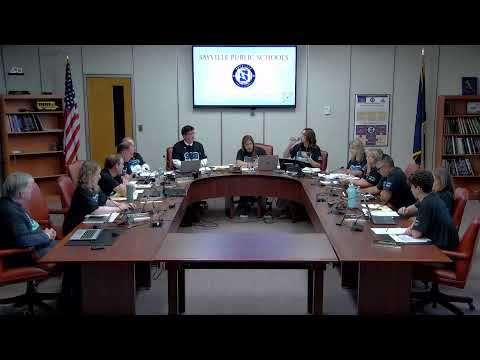
Robert Bartels, the district—s finance lead, told the board on Sept. 11 that the district must shift from drawing down reserves to balancing revenues and expenditures and described steps intended to steady the budget over several years.
Bartels said the district has used reserves in recent years and should limit future withdrawals to a set percentage to avoid depleting specific reserve lines. "One of the ways we do that is we have to look at all of our available funding sources," Bartels said, and he described tactics to increase state aid and other revenue sources by careful coding and documentation on state aid forms and by using BOCES purchases where eligible to capture BOCES aid.
He cited transportation aid as an example: by coding portions of staff time and verifying student eligibility on bus routes, the district can increase transportation reimbursement. Bartels also said the district had just received a $13,000 grant for a middle-school oven and expected $25,000 from a school-bus-stop program under a contract on the agenda. He identified energy performance contracts and completed boiler work as sources of future operating savings and said forthcoming solar work would reduce electrical costs over time.
On capital planning, Bartels told the board that roughly $1.7 million in debt service is scheduled to drop off in the next three years, which could be used to support a future bond to address roofs, HVAC, science-room renovations and athletic facilities without raising taxes if structured against expiring debt service. He also described shifting eligible recurring costs into capital transfer lines to stay within the tax-cap rules and preserve flexibility.
Board members asked for milestones and a schedule; Bartels proposed building a longer-term plan this year and presenting progress in budget-advisory meetings to begin in October.
Ending: The district will convene a budget advisory committee in October and pursue a mix of grant opportunities, aid optimizations and planned capital timing to stabilize finances before adding ongoing staffing costs.