Get Full Government Meeting Transcripts, Videos, & Alerts Forever!
Get email alerts on the Education Curriculum topic
No spam. Unsubscribe anytime.
Sayville board reviews five-year goals; district staff outline curriculum and assessment work
Summary
Superintendent Dr. Amy Farris and assistant superintendents reviewed five district goals — connected autonomy, curriculum and instruction, belonging/inclusivity, fiscal planning, and communication — and described ongoing curriculum alignment, literacy work and MTSS expansion.
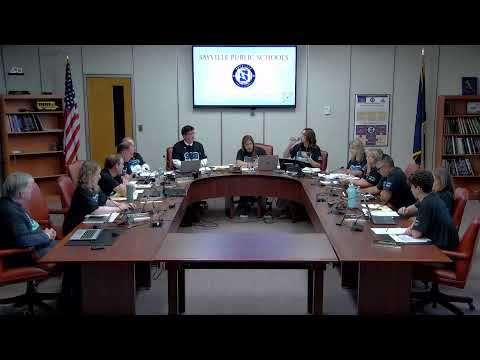
The Sayville Union Free School District Board of Education reviewed the district—s five goals on Sept. 11 and heard progress reports on curriculum alignment, literacy, MTSS and districtwide goal-setting.
Superintendent Dr. Amy Farris said the goals grew from surveys and focus groups and center on six graduate outcomes: independent learners, caring citizens, effective communicators, effective collaborators, critical thinkers and joyful learners. "We call it connected autonomy," Farris said. "Autonomy is our ability to make decisions ... but you can't have autonomy on its own because if every classroom has autonomy without being connected to anything, then you have great individual things happening in each classroom, but they're not connected to a purpose that gets you over a 13 year period ready for the world beyond our public schools."
Assistant Superintendent Jillian DiMiola reviewed curriculum and instruction work, saying teachers across grade levels have been involved in a districtwide alignment effort. She said the district has completed a deep review in literacy (pre-K–5) and realigned scope and sequences, added common assessments and will expand MTSS monitoring using the Branching Minds tool. "Now that everyone has experienced the same professional development, we're ready to move into the next stage of taking a real look at our scopes and sequences," DiMiola said.
DiMiola listed materials and approaches currently in use in K–5 literacy: Units of Study (formerly Teachers College), Haggerty for phonemic awareness, a vocabulary program aligned to the units, Patterns of Power for grammar, and foundational phonics resources. She described a coordinated summer effort to align materials and grade-level plans.
Administrators also described course-mapping work at the secondary level (over 50 course maps underway or complete), STEAM and next-generation science standards work, and plans for parent-facing events such as a parent university night.
Board members praised teacher-led committee involvement and asked for periodic milestones or progress updates; the superintendent proposed updates in February and June.
Ending: District officials said the goals will remain under review and that next steps include implementing locally developed observation and supervision systems aligned with district values and goals.