Get Full Government Meeting Transcripts, Videos, & Alerts Forever!
Get email alerts on the Capital Project Sales Tax topic
No spam. Unsubscribe anytime.
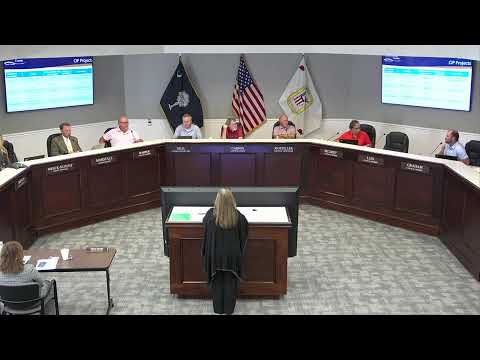
Council hears capital-project sales tax totals; detention center remains top priority
Summary
Staff reviewed Capital Projects Sales Tax 3 collections and project sequencing. The county reported $48.4 million collected through June 30, 2025, $30.6 million expended and roughly $18 million available; councilors and staff discussed rules for using excess collections and when projects may proceed.
County staff provided an update on Capital Projects Sales Tax (CPST) 2 and 3, including collections to date, priority project sequencing and rules for using excess funds.
Jamie Provoznak, presenting for the county, reminded council that the Capital Projects Sales Tax Act (South Carolina Code of Laws) authorizes a 1% sales-and-use tax for a seven-year period to fund voter-approved capital projects. Capital Projects Sales Tax 3 began May 1, 2022, and, Provoznak said, had collected about $48.4 million from May 1, 2022, through June 30, 2025. The county reported it has expended about $30.6 million on CPST-3 projects and that roughly $18 million remains available.
The voter-approved list places the detention center first with an allocation of about $30.1 million. Staff said excess collections from prior impositions of the tax have been used for other approved projects and that any excess from CPST-3 would follow the ballot and statutory rules; staff and the county attorney explained that projects must be funded and encumbered consistent with the law and the ballot language.
Council members asked when funds could be moved to projects lower on the priority list. Provoznak said the county is projecting approximately $4 million per quarter in CPST-3 revenue and is sequencing projects based on both priority order and readiness. “We've collected $48.4 million cumulatively,” Provoznak said, and “we've expended 30.6 as of 06/30/2025,” leaving roughly $18 million available to apply to next-priority projects as statutory rules and encumbrances allow.
Council members expressed frustration with perceived delays and asked staff to accelerate projects that are ready. The county attorney cautioned that some expenditures require funds to be banked or encumbered in advance depending on project contracts and that staff will provide a more detailed accounting of what is bonded, encumbered and available for immediate contract awards.
Staff said the county will proceed with projects where planning and permitting are complete and will report back with clearer schedules and the legal limitations on reallocating excess funds.