Get Full Government Meeting Transcripts, Videos, & Alerts Forever!
Get email alerts on the Local Government Efficiency topic
No spam. Unsubscribe anytime.
St. Tammany Parish forms collaboration committee; fire chiefs and districts press for transparency, limits on scope
Summary
A newly formed St. Tammany Parish council committee outlined goals to identify efficiencies across taxing bodies and to vet ballot measures. Presenters and several special-district leaders pressed for transparent procedures, clarity about whether parish government would be reviewed first, and limits on the district attorney27s role.
St. Tammany Parish27s new Tax Reform and Collaboration committee met to outline a work program to identify opportunities for shared services, evaluate ballot measures and study tax structures, drawing questions from fire chiefs and special-district officials about transparency and who the committee will review.
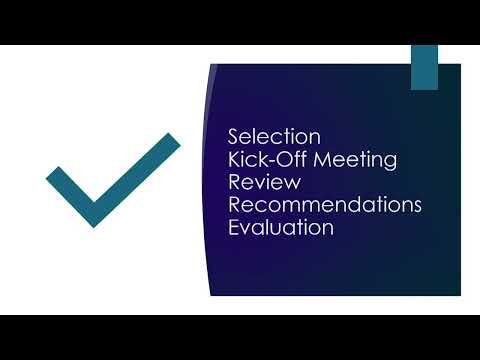
The committee27s lead presenter, Council Administrator Miss Purkel, described two primary tracks: collaborative initiatives 26mdash; where agencies would brainstorm, research, plan, implement and evaluate shared projects 26mdash; and a formal review process for ballot measures that would include a selection step, kickoff meeting, document review, site visits and a published report. "The juice ain't worth the squeeze," Purkel told the meeting when urging careful benefit-cost analysis before advancing proposals.
Those procedures matter because the committee is explicitly positioned to review entities that levy taxes, including special service districts whose millages voters approve. Purkel said the committee would be aided by parish staff including the director of finance, Annie Perkins, an assistant district attorney (Emily Cuvillon), and Gina Hayes; she said the group will pick a monitoring lead to keep communication open between the committee and any organization under review and that meetings and evaluations would be public.
Several public speakers and taxing-body leaders across the room suggested additional guardrails and raised concerns about process and trust. Chris Kaufman, fire chief of Fire District 1, and other chiefs urged transparency about how the committee membership was chosen and warned that premature public commentary by individual council members could damage public trust in districts that are independently governed. "If you don't understand the agency, its purpose, or language, you [are] behind before you even get started," Kaufman said.
Kevin Callaway, executive director of the St. Tammany Parish Mosquito Abatement District, proposed specific procedures for ballot-review audits and public engagement: independent CPA financial reviews, an optional independent service audit by subject-matter experts agreed to by the council and the district, a 30-day open public comment period, and two town-hall meetings before a final report would be published and considered ahead of any millage renewal.
Several speakers questioned whether parish government should be reviewed first. Kaufman and others argued that the parish27s own tax and assessment issues have driven public distrust and recommended starting reviews at the parish level. "Let's fix that first," Kaufman said of parish government, urging the committee to begin at the top.
Speakers also raised potential conflicts around the role of the District Attorney's Office. A member of the public, Terry Louis Stevens, said, "When you're one of the agencies to be reviewed, it's a conflict of interest," and asked why DA staff were connected to the committee when their office could be a subject of review. Purkel and other council members responded that the DA would serve in an advisory counsel capacity where appropriate and that the DA27s office had stepped back from leading the original structure known as TRAC.
Fire leaders proposed practical collaboration topics the committee could pursue, including consolidated insurance purchasing for recreation districts, shared IT and administrative services (accounting, HR, GIS), shared equipment or leasing arrangements and joint fleet maintenance. Eric Tossan, a retired fire chief, and Brandon Stein, chief of Fire District 8, encouraged council members to attend existing fire-district meetings to better understand district operations and to avoid repeating reviews of districts that already operate publicly and meet accreditation standards.
Committee organizers emphasized evaluation as a formal step: pilot a change, then measure if it increased program participation or saved money. Purkel repeatedly said the group27s work would be public and timebound and that it would draft a report recognizing strengths and risks and recommending, if appropriate, legislative changes or transparency measures.
The meeting closed without formal votes on policy items; a procedural motion to adjourn was moved and the chairman declared the meeting adjourned. The committee did not set a public deadline for completion of any reviews during this meeting; the presenter suggested starting detailed review processes well before a millage renewal window to avoid last-minute delays.
The parish said it will continue scheduling committee meetings and notify districts and the public; several district leaders urged the council to incorporate their checklist proposals and to appoint subject-matter experts when specific technical reviews are required.