Get Full Government Meeting Transcripts, Videos, & Alerts Forever!
Get email alerts on the School District Budget And Employee Benefits topic
No spam. Unsubscribe anytime.
Amador County Unified budget review spotlights health‑care cost crisis for teachers; board orders deeper analysis
Summary
Amador County Unified School District trustees and staff heard a steady stream of public comment Sept. 4 as teachers, union leaders and students described an unfolding health‑care and pay crisis for employees while the district presented a detailed school‑and‑department budget review; trustees asked for more revenue detail and reconciliations but took no formal action.
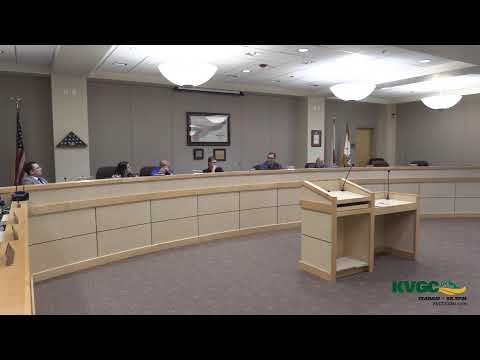
Amador County Unified School District officials and hundreds of community members met Sept. 4 as union members and teachers urged the board to address rising employee health‑care costs while district staff walked trustees through a detailed review of school‑site and departmental expenditures.
“It is reasonable to expect the district to see this as a crisis and apply crisis management to this issue,” said Jeannie Jensen, speaking for the Amador County Teachers Association, as dozens of teachers and support staff told the board they face significant new financial strain because of insurance changes and limited raises.
Why this matters: Teachers and classified employees said higher premiums, the loss of previous cash‑in‑lieu arrangements and years of pay that did not keep pace with inflation are forcing some staff to consider resigning or moving out of the county — decisions that speakers warned would reduce enrollment and funding and could degrade school programs and community services.
What happened - Employee groups and many individual employees used public comment time to describe the immediate effects of proposed insurance changes and to press the board and administration to prioritize restoring pay and affordable benefits. - The district’s budget presenter, Mr. Norton, gave a school‑by‑school and department‑by‑department breakdown of projected personnel, benefits and operational costs for the 2025–26 budget year and identified major central charges and debt service. - Board members asked for follow‑up materials — including revenue by site, a clearer accounting of transfers between the district and county office, and a grant‑by‑grant revenue/expense layout — and directed staff to return with more detailed numbers. No formal vote or bargaining outcome was announced.
What speakers told trustees Jeannie Jensen (Amador County Teachers Association) said priorities are at stake: “It is reasonable to expect the district to see this as a crisis and apply crisis management to this issue, including, but not limited to, prioritizing funds to keep employees solvent.” Jensen said employees had previously surrendered work days to help the district and asked the district to reciprocate.
Michael Garcia, a teacher and parent, told trustees he had seen staff split family coverage because they cannot afford the family plan and urged transparency about all district funds: “Transparency in how all dollars are evaluated is critical.”
Union and classified leaders described concrete financial pain. Jamie Hatton, president of CSEA 827, said members are choosing between cash‑in‑lieu and Covered California plans and that one member would face losing “approximately a thousand dollars of cash in lieu” and then need to pay about $200 monthly for plan premiums — “That’s a third of her income. She’s a single mom.”
Students and parents warned of classroom impacts. Leila Long, a junior at Argonaut High School, said, “If you proceed to take away our teachers’ insurance and cut their pay, education will diminish.” Several teachers described stepping back from unpaid duties already being done “only as required by contract.”
District presentation and fiscal context Mr. Norton told the board the presentation was intended to show expenditures (not revenues) for site personnel, operational supplies, services and capital needs. He gave totals for each school site (Amador High, Argonaut High, Independence High and elementary/junior sites) and for district departments (food services, transportation, maintenance, special education, technology and central office).
Norton said school‑site personnel cost projections and a separate operational total produced an all‑in picture of each site’s budgeted expenditures for 2025–26. He explained that some costs commonly thought of as “site” costs — for example, maintenance warehousing and some county‑level special education staff — appear on centralized budgets because those staff serve multiple sites.
Speakers raised several specific questions and discrepancies during the presentation: a mismatch between numbers in the presentation and the adopted budget report on the district website (a roughly $700,000 difference noted by a teacher), apparent vehicle purchases in late May that did not clearly match board authorization, and the need for a clear rollup of revenue by site to compare against the site expenditures.
Board members’ direction Board members thanked staff for the work and repeatedly asked for more detail. Areas they requested included: - Revenue by site (LCFF, attendance‑based revenue, grants, donations) so trustees can compare each site’s revenue to its costs. - A grant‑by‑grant revenue/expense table for categorical funds so the board can see which programs are self‑funding and which are truly unrestricted. - A clearer reconciliation of transfers between district and county office budgets (trustees were shown that some transfers are recorded as expenses on both sides, which can make combined totals misleading).
No motions, votes or formal bargaining outcomes were made during the meeting. Superintendent Critchfield and several trustees urged bargaining teams to return to the table in good faith and seek short‑term solutions before October enrollment and insurance deadlines. Critchfield called the presentation a start and said, “Everything is on the table.”
Key figures, clarifications and budget details mentioned in the meeting - Lozano Smith legal fees (one law firm) were cited as $232,462.82 for fiscal year 2024–25 (speaker: Patricia [last name transcribed as Anjija]). - The district’s debt payments cited in the presentation included a COP (certificate of participation) payment of about $540,000, a solar loan of roughly $796,000 and a bus lease of $147,000. A single annual debt/tax‑related payment cited elsewhere was $1,549,000. - Mr. Norton said solar projects finished about 2018 and used 15‑year loans (staff estimated the district is about halfway through repayment). - Greg Wall (teacher) referenced a 02/2019 FCMAT (Financial Crisis & Management Assistance Team) review that rated the district’s fiscal risk as “moderate” and said a more recent review moved that danger to “severe.” - Trustees and speakers repeatedly mentioned LCFF (Local Control Funding Formula) as the primary state revenue source; trustees asked staff to show LCFF allocations per site when they return with revenue data.
What the transcript shows about legal, policy and administrative references Speakers and staff referenced FCMAT reports, LCFF revenue increases, AB 218 (described in the meeting as related to extended liability for historic child‑abuse claims), STRS contributions and the district’s participation in a multi‑district joint powers authority for property‑liability coverage. The law firm Lozano Smith sent at least one formal letter to a constituent who asked for plan enrollment counts during open enrollment.
What’s next Trustees asked staff to produce a revised packet that adds: - Revenue totals per school site (ADA/LCFF/donations) and revenue‑to‑cost comparisons. - A grant‑by‑grant revenue and expense breakout for categorical funds. - A reconciliation that clarifies interagency transfers between the district and county office and explains how those transfers appear on both entities’ books. - Additional detail supporting the central charges, debt service, and the legal and insurance line items.
The board set no vote or deadline at the meeting; staff and bargaining units were urged to increase negotiating frequency if needed to prevent coverage lapses for employees. The district also signaled that additional budget sessions will be scheduled to dig deeper into potential reductions and revenue options.
Ending note Speakers at the meeting framed the budget issue as both technical and urgent: staff sought near‑term relief for rising health expenses while trustees requested clearer financial reconstructions to inform longer‑term decisions. The board and superintendent said they hear the concerns and will return with additional analysis before making policy or staffing decisions.