Get Full Government Meeting Transcripts, Videos, & Alerts Forever!
Get email alerts on the Rural Hospitals Funding topic
No spam. Unsubscribe anytime.
Sky Lakes CEO urges Klamath County support as state rules squeeze hospital finances
Summary
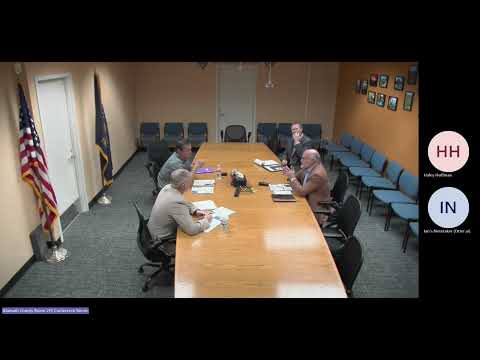
David Cobble, chief executive officer of Sky Lakes Medical Center, told the Klamath County Board of Commissioners that the hospital faces growing financial pressure from state and federal rules and will seek county help when it advances a measure in the legislature to secure a special designation for rural hospitals.
David Cobble, chief executive officer of Sky Lakes Medical Center, told the Klamath County Board of Commissioners that the hospital faces growing financial pressure from state and federal rules and will seek county help when it advances a measure in the legislature to secure a special designation for rural hospitals.
Cobble told the commissioners that Sky Lakes is the county’s largest employer and a ‘‘sole community’’ hospital serving a roughly 10,000‑square‑mile area. He said about 25 percent of the hospital’s revenue comes from Medicaid and about 50 percent from Medicare, and added that government payers together account for roughly 80 percent of revenue. "We generate roughly $500,000,000 of revenue or, you know, just economic impact to the county," Cobble said.
Cobble said state actions have raised operating costs. He credited the county and local partners with helping persuade the Oregon Health Authority to rescind a pending decision that would have harmed the hospital’s Medicaid reimbursements. "It did make a difference," he said. He also cited three recent state changes that he said have increased costs: the hospital staffing law, the Oregon Paid Leave rules and changes to charity‑care requirements. Cobble estimated the staffing law increased his operating costs by about $6 million a year, paid‑leave backfill added roughly $4 million to $6 million, and the combined effect of regulatory changes has been on the order of $10 million to $20 million over recent years.
Cobble said Sky Lakes is preparing to ask the legislature for a designation that would treat it differently from large metropolitan hospital systems. "We're too big to be considered a special small hospital, and we're too small to be a big hospital," he said, arguing the hospital is an ‘‘in‑betweener’’ and should receive protections similar to those granted to remote critical‑access hospitals.
Dave Hensley of United Strategies and Consulting, a government affairs firm working with Sky Lakes, told the commissioners he expects the hospital to present a formal list of legislative priorities at a future meeting and that the special designation would be foremost. "Sky Lakes is, without Sky Lakes, this community would start to fall apart," Hensley said.
Commissioners responded that they would provide letters or other outreach when asked. Cobble said he would return with a one‑page summary of priorities ahead of the short session and asked the county to be prepared to advocate by phone or letter when needed. The presentation included no formal motions or votes by the board and no binding commitments by the county; commissioners offered general support and a willingness to assist moving forward.
Background and context: Cobble characterized Sky Lakes as a critical economic anchor for Klamath County and said federal and state funding policy changes — including potential shifts in Medicaid reimbursement and wage/ staffing mandates — directly affect the hospital’s ability to operate. He warned that similar proposals could reappear and that continued advocacy may be necessary.
Next steps: Sky Lakes plans to present formal legislative priorities in a future meeting and will request county support, including letters and contacts with legislators, to pursue the proposed special designation and other priorities.