Get Full Government Meeting Transcripts, Videos, & Alerts Forever!
Get email alerts on the Urban Forest Management topic
No spam. Unsubscribe anytime.
Ken-Caryl staff outline emerald ash borer response; initial injection plan targets roughly 100 trees
Summary
Staff reported no known emerald ash borer detections in district trees and presented a potential treatment plan that could inject about 100 trees for roughly $16,000; board members discussed prioritization of memorial and high-visibility trees and next steps for a phased approach.
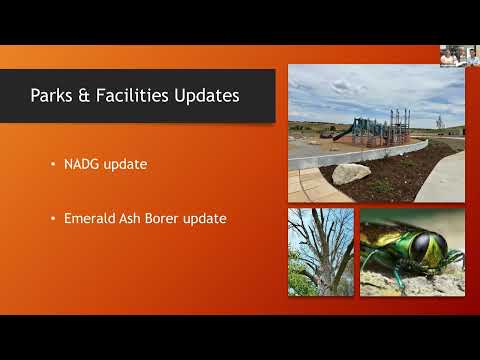
District staff told the board they have no known emerald ash borer (EAB) detections in district-owned trees but that the threat remains, and the district is planning a response that could include injections or soil soaks to protect ash trees.
Staff said the district currently maintains roughly 290 ash trees in its inventory. Staff summarized two common treatment techniques: soil soaking, which typically requires annual application, and trunk injection, which can protect trees for two to almost three years. Staff and outside professionals recommended injection as the most cost-effective multi-year option.
A staff member said a recent vendor quote suggested injecting about 100 trees would cost roughly $16,000, which staff presented as a ballpark figure to help with planning and phasing. Staff said they are working on priority criteria—memorial trees, high-visibility trees and other values-based considerations—to decide which trees to protect first and indicated a phased approach (for example, two rounds of roughly 50 trees each) was possible.
Board members and residents asked clarifying questions about scope and earlier estimates when smaller programs had been discussed in prior years. Staff said the initial 30–40-tree figures previously floated stemmed from earlier uncertainty about costs and that the new quote provides a clearer planning baseline.
Staff said they will return with a more detailed plan and budget prioritization for board consideration.