Get Full Government Meeting Transcripts, Videos, & Alerts Forever!
Get email alerts on the Community Safety topic
No spam. Unsubscribe anytime.
Tunkhannock schools start first-responders club; public comments urge more community support for emergency services
Summary
The district announced a new first-responders club that enrolled 33 students during its first meeting and will work with local emergency agencies for training and certification. Public commenters urged broader community action on ambulance staffing and volunteer recruitment.
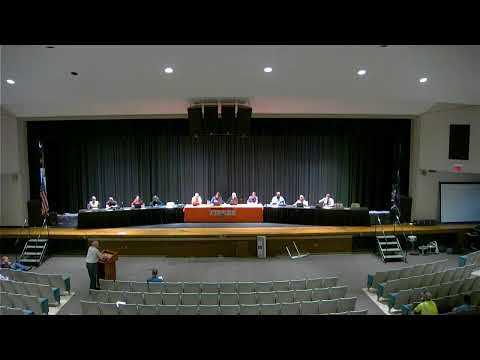
District and community speakers at the Sept. 12 special meeting highlighted a new first-responders club at Tunkhannock Area schools and raised broader ambulance-staffing concerns in public comment.
Superintendent (name not specified) told the board that a first-responders club launched and that the district plans to certify participating students. “At the first meeting … there was 33 students that came and signed up to support our local organizations,” the superintendent said, adding the program is offered during the school day.
The superintendent said the district partnered with local agencies and individuals — naming Ben Norris from the 9-1-1 center and citing support from volunteer fire departments, local ambulance stations, police departments, Triton and Wyoming County Health Care Center staff including Deb Johnson — to deliver training and pursue grant funding.
Public comment from Bill Whitener, who identified himself as Region 2, urged more emphasis on recruiting younger volunteers for emergency services after describing statewide ambulance challenges. Whitener said several local companies provide the bulk of ambulance coverage in the county and warned that loss of any major provider would create coverage gaps.
Outcome and next steps There was no formal board action on the club or the broader ambulance issues recorded in the public portion of the meeting. The superintendent described the district’s internal steps to run the club and noted partner organizations that will support training and potential certification.