Get Full Government Meeting Transcripts, Videos, & Alerts Forever!
Get email alerts on the School Policy Technology topic
No spam. Unsubscribe anytime.
Board reviews cellphone policy language, asks sites to harmonize school-level rules
Summary
District staff told trustees the board's current policy language meets the state Phone-Free Schools Act; administrators said most campuses are already implementing clear, school-level rules and the board asked sites to align practices across grade levels rather than adopt a novel district-wide regulatory approach.
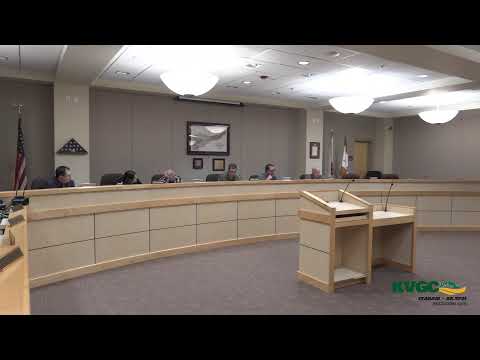
The Amador County Unified School District board reviewed its updated cellphone policy language and discussed how site administrators are implementing school‑level rules under the new state law.
District staff presented Board Policy 5131.8 and explained that the district had adopted model language supplied by the California School Boards Association to comply with the Phone‑Free Schools Act (AB 3216) and Education Code requirements (including Ed. Code §48901.7). Staff said the district language requires mobile devices to be turned off during instructional time while preserving exceptions in the Education Code for emergencies, medically required use and teacher‑granted permission.
"By 07/01/2026 all school districts must develop, adopt and update every five years a policy to limit or prohibit pupils' cell phone usage," the presenter told trustees, referencing the statute. She said the district had adopted the CSBA-recommended language at the June board reading and that most campuses have developed implementation rules in student handbooks or administrative regulations.
Administrators and a classroom teacher who spoke during discussion all emphasized that successful implementation depends on consistent enforcement by teachers and site leaders. One secondary teacher described a simple classroom routine using a pocket chart to collect phones at the start of class and said consistent faculty buy‑in had greatly reduced in‑class use and improved attention.
District staff outlined several implementation options for trustees: maintain the current board policy (which meets the Education Code), direct educational services to work with school sites to draft consistent site-level rules, adopt a district resolution that delegates implementation choices to site councils (the approach LAUSD has used), or seek legal counsel and craft an original, more prescriptive board policy. Staff warned that custom board policy language would raise legal costs to ensure compliance with state law.
Trustees discussed trade-offs including equity, enforcement and safety. Several trustees favored harmonizing rules at the school level for like grade spans (for example, making junior high schools use the same approach) to avoid student confusion when policies differ only by campus. Administrators noted some site practices in other districts use lockers, wall pouches or magnetic pouches to store phones; staff cautioned pouches can be defeated by inexpensive magnets available online and that any storage approach carries trade‑offs (security, cost, administrative burden and the potential for lost items).
No board action was taken. Trustees directed staff to work with site administrators — particularly secondary principals — to ensure consistent, grade‑level implementation and asked for a future update on site policies and any recommended modest tools (for example, inexpensive hanging shoe‑organizers) that would not require major new legal drafting or outsize expense.
The board—s review emphasized the statute—s emergency exception: school staff may permit device use in response to a perceived threat or danger, and district policy preserves that exception in compliance with Education Code provisions.