Get Full Government Meeting Transcripts, Videos, & Alerts Forever!
Get email alerts on the School Labor Benefits topic
No spam. Unsubscribe anytime.
Teachers, students and union delegates press Amador Unified board over proposed insurance changes
Summary
Dozens of teachers, union representatives and students told the Amador County Unified School District board their members and classrooms are already feeling the effects of proposed health insurance changes and budget shortfalls, urging the board to prioritize negotiations and budget transparency.
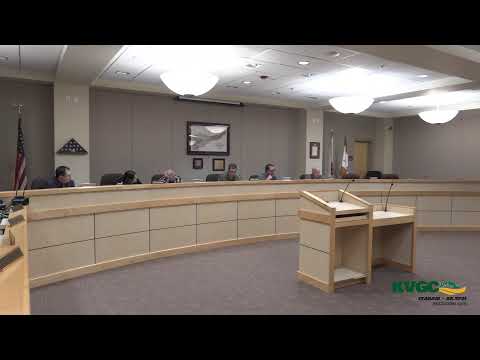
Dozens of teachers, union leaders and students used the public-comment portion of the Amador County Unified School District board meeting to press trustees over proposed changes to employee health insurance and district finances.
The comments, delivered at the boardroom meeting and during an adjoining county session, centered on the district—s recent insurance proposal, the effect on employees— take-home pay and what speakers described as insufficient, untimely budget information presented to bargaining teams.
Speakers said the district—s September 5 offer to change employee contributions would slash pay for some educators, force difficult personal tradeoffs and is already affecting school culture and events.
"Under the district's September 5 offer, my insurance costs would rise ... That would reduce my take home to just $2,333," said Michael Garcia, who identified himself as an educator and parent. "That would fall short by over $500 every month, meaning I—d face impossible choices between paying bills and buying food."
Jeannie Jensen, speaking for the Amador County Teachers Association (ACTA), told the board the accounting presented to the public and bargaining teams was not current and urged trustees to demand an up-to-date, line‑by‑line accounting of district finances so negotiations could proceed from a shared set of facts. "The data and information you received last night was based on May figures," Jensen said. "We want an accounting of where our finances are at this moment and how the bargaining unit proposals affect that up-to-date accounting."
Several student speakers said the dispute is already affecting school activities and student well‑being. "This crisis isn't just hurting our teachers, it's hurting students," said Aubrey Gold, a senior leadership representative at Argonaut High School. Other student leaders said reduced teacher involvement was forcing students to fill gaps at events and reshaping traditions.
Multiple speakers urged the superintendent and trustees to lead negotiations personally and to prioritize retention. Kurt Moco, who described prior experience leading large-scale retention efforts in the military, recommended Superintendent Robert Critchfield personally lead bargaining and that the district create a retention plan. "When teachers feel cared for, they are far more likely to stay," Moco said.
Other staff and community speakers raised separate budget concerns, payroll errors and confidential information handling problems, saying mistakes have caused employees to lose pay and describing at least one instance where a business-office email included another employee's financial documents. "This is a HIPAA violation," one commenter said.
Board members responded with repeated assurances that they and district staff were working on the financial details and negotiations. Trustees thanked employees for speaking and said they would continue working with bargaining representatives. Several trustees asked staff for more detailed cost data and said they understood the concerns about recruitment and retention.
No formal bargaining outcome or board action on insurance was taken at the meeting. Speakers asked the board to prioritize a transparent, current accounting and expedite negotiations; the board agreed to continue discussions and to pursue additional financial analysis and outreach to bargaining groups.
The public-comment block that focused on employee health coverage and bargaining occupied the majority of the board—s first public-comment period, and several speakers urged trustees to act quickly to avoid further staff departures and continued disruption to student activities.
Looking ahead, speakers said they expected the board and bargaining teams to keep meeting; trustees reiterated the district intended to continue negotiations and to provide updated budget information to the board.