Get Full Government Meeting Transcripts, Videos, & Alerts Forever!
Get email alerts on the After School Programs topic
No spam. Unsubscribe anytime.
After‑school provider Apollo outlines staffing, programming and cost structure to Belleville board
Summary
Apollo After School presented results from its first full year of service in Belleville, describing rapid licensing, expanded pre‑K coverage, higher pay for staff, enrollment growth and a $75,000 revenue share to the district; board members asked about special‑needs accommodations and affordability.
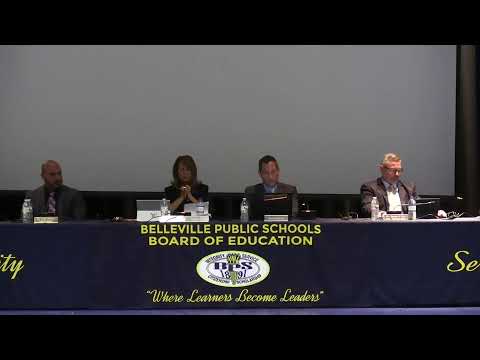
Apollo After School, the district’s contracted aftercare and summer program vendor, presented an overview of its operations in Belleville on Sept. 15, describing how the company launched midyear in February 2024, expanded coverage to all pre‑K schools, and said it pays staff “on average 20 to 25% more” than competitors to reduce turnover.
The presentation, delivered by Apollo founder and CEO Oleg Budokov and district manager Lawrence Vargas, gave the board details about staffing ratios, enrichment programming and pricing. Budokov said Apollo had to get licensed and hire new staff quickly to begin operations on Feb. 5, 2024, and emphasized the company’s efforts to provide structured enrichment rather than “a babysitting service.”
The board and the superintendent pressed Apollo on special‑needs support and affordability. Trustee Muniz asked specifically what Apollo provides for students with disabilities; Budokov said Apollo and site staff “speak with school principals” and work case‑by‑case to continue supports such as 1:1 aides when feasible. Lawrence Vargas said the company intentionally overstaffs: “Our average daily summer camp ratio was 1 to 8. When we go on field trips, we're either at 1 to 5 or 1 to 6,” and “Safety is our main priority.”
Apollo described program highlights including STEM offerings (Dash robots and block‑based coding), a movie‑maker studio that produced at least one commercial with student participants, and specialty summer trips and adventure camps for older children. The company reported enrollment growth of roughly 51 new students since taking over in 2024 (about a 9% increase) and said it expanded before‑ and after‑care to pre‑K at four additional schools (Schools 4, 5, 8 and 10).
On costs and district revenue, Apollo said its contractual revenue share to the district for the year is $75,000; Apollo representatives said that payment helps offset custodial costs tied to aftercare operations. Board members and community commenters raised affordability concerns during public comment and asked that the district continue to review whether services remain affordable for families with multiple children.
Apollo officials also described staffing and retention metrics: they reported more than a 90% staff retention rate since last spring into fall and said paying above market rates was necessary to retain higher‑quality instructors in a largely part‑time sector. Budokov noted that the company’s national sister organization began as a chess education program and that the aftercare operation dates to 2012 (with a chess division dating to 2002).
The board did not take an immediate vote on operational changes at the meeting; Apollo’s presenters said they would take questions and communicate further with administration and families.