Get Full Government Meeting Transcripts, Videos, & Alerts Forever!
Get email alerts on the Waste Reduction topic
No spam. Unsubscribe anytime.
Stoughton schools plan pilot of reusable trays to cut lunchroom trash and costs
Summary
Superintendent Dr. Baeta outlined a plan to pilot reusable metal trays and off‑site washing to reduce lunchroom waste, with a proposed district purchase and a pilot start as soon as October funded from the food services revolving account.
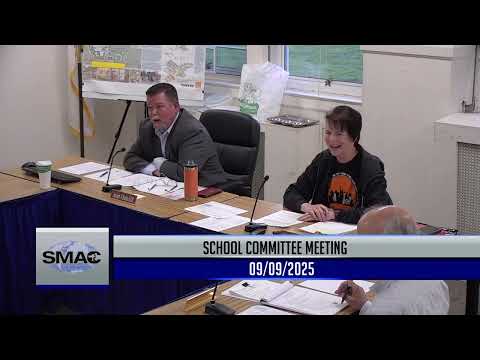
Stoughton Public Schools Superintendent Dr. Baeta said the district will pilot reusable metal lunch trays at one elementary school this fall as part of a plan to cut lunchroom trash and reduce the district’s annual trash bill.
Dr. Baeta told the school committee the district currently pays about $86,000 a year for trash pickup and that replacing single‑use trays with reusable metal trays and off‑site washing could eliminate roughly 60% of lunchroom trash in participating schools. He said the trays cost about $5–$6 each and the district would need on the order of 10,000 to equip the whole district — a one‑time purchase he estimated at roughly $60,000–$65,000 for a full rollout. Per‑wash costs were described as roughly 30–40 cents per item, and the superintendent said the pilot would be paid from the food services revolving account, not the general operating budget.
The superintendent described a district action committee to oversee the effort, listing planned members including the director of facilities, the director of food services, building principals, faculty representatives, parents, students and one community member. He said the district will contract with a third‑party vendor to pick up, wash and return trays rather than washing them on site.
Committee members asked about safety, costs, operational impacts and disposal/composting. Committee member Karen asked whether town changes to municipal trash pickup could affect the plan; Dr. Baeta said the district is discussing how its trash service could be integrated with the town’s system and that the town is likely to revisit trash arrangements within five years. He also said the district will examine composting, recycling bins in classrooms, and student education as part of the effort.
The superintendent said a cost analysis and a timeline for a pilot would be delivered to the committee “no later than October,” and reiterated that the initial purchases would come from the food services revolving account. He cautioned the committee the district will phase in the program, starting small to identify “hiccups” with equipment, handling and student behavior before broader rollout.
The committee discussed potential risks including trays being used as projectiles, dishwasher capacity at some schools, ongoing washing costs, and the need to coordinate with town trash arrangements. Dr. Baeta said districts that have adopted similar systems have reported roughly a 60% reduction in lunchroom trash and that the program offers an instructional opportunity to teach recycling.
The superintendent also noted the district is examining composting and other recycling solutions simultaneously and will return to the committee with a detailed cost breakdown for the pilot and any recommended next steps.