Get Full Government Meeting Transcripts, Videos, & Alerts Forever!
Get email alerts on the Civic Engagement topic
No spam. Unsubscribe anytime.
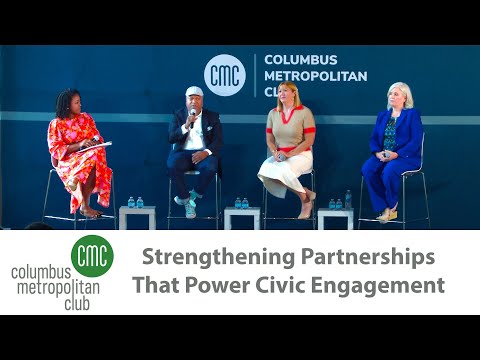
Panel urges daily civic engagement, civility and voting at Columbus Metropolitan Club forum
Summary
Panelists emphasized civility, everyday participation and teaching civic skills, and closed with a direct call to vote from host Matt Barnes.
Speakers at a Columbus Metropolitan Club forum on civic engagement urged everyday participation, stronger civic education and civility as antidotes to polarization, and one speaker closed the evening by urging all present to vote.
“Disagreeing, but never being disagreeable,” Dr. Frederick Birtley, president and CEO of COSI and interim CEO of the National Veterans Memorial and Museum, said in describing why civility matters. Birtley invoked Sen. John Glenn’s legacy in founding the museum and said civic conversation and civility are cornerstones of a healthy democracy.
Megan Cummings, president and CEO of Philanthropy Ohio, described civic engagement as “a way for us to participate and have agency in what happens with our communities,” listing voting, volunteering and attending public meetings as examples. Sandy Doyle Ahern said simply: “Civic engagement... is caring enough to show up for something.”
Panelists debated how to reduce polarization. “You have to do it despite polarization,” Ahern said, arguing that engagement should continue even when national discourse is fraught. Another panelist described four “rings” of influence — personal relationships, peer groups, organizational culture and systems — and urged people to act at whatever level they control.
The panel debated whether schools and public culture adequately teach civic skills. One panelist said civics is not consistently part of school curriculum, which hinders long‑term change. The forum closed with a direct appeal from moderator Matt Barnes: “If you didn't understand, this is why it's critical that you vote. We're in this situation because a group outvoted another group, and now we're struggling through it.”
No formal actions were taken; the session consisted of discussion and audience questions aimed at strengthening civic participation locally.