Get Full Government Meeting Transcripts, Videos, & Alerts Forever!
Get email alerts on the Geothermal topic
No spam. Unsubscribe anytime.
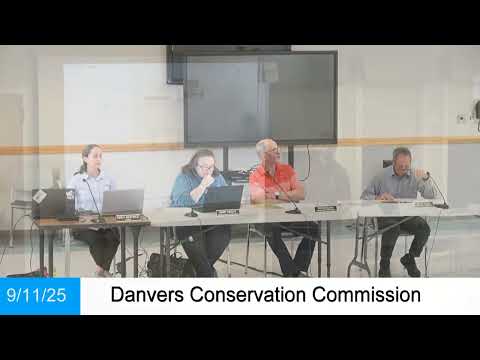
Danvers conservation commission approves geothermal boreholes, grants small waiver
Summary
The Town of Danvers Conservation Commission approved an order of conditions and a narrow waiver allowing a short trench incursion into the 50-foot no‑build zone for a closed‑loop geothermal system at 62 Chase Street.
The Town of Danvers Conservation Commission on an affirmative vote granted an order of conditions and a waiver so homeowners at 62 Chase Street may install a closed‑loop ground‑source heat pump system that requires three deep boreholes and a short service trench.
Jean Hartnett, the applicant and civil engineer for the project, told the commission the house (built in 1952) is mainly heated by an original, unreliable oil furnace and the proposed geothermal system would replace it. “We are proposing three 380‑foot closed‑loop boreholes for a total of 1,140 feet,” Hartnett said, adding the system is closed‑loop, sealed and uses a nontoxic water/antifreeze mix so “it’s not taking any water from the ground, and it’s not putting anything into the ground.”
The project places boreholes and a connecting trench within portions of the 50‑ to 100‑foot riverfront buffer for the Porter River and includes two reserved backup borehole locations should the preferred borings not reach bedrock. Hartnett said the total limit of disturbance is 417 square feet (about 4% of the site’s riverfront area) and that all piping will be subsurface with regrading and replanting to restore existing conditions.
Why it matters: the commission noted the installation would move a residential heating system away from fossil fuels and into a more efficient electric system while still disturbing regulated buffer areas. The applicants sought a waiver to permit about 10 linear feet of trenching inside the town’s 50‑foot no‑build zone because of existing stairs adjacent to the deck; the commission granted that waiver.
Commissioners and staff pressed on construction and erosion controls. Hartnett described erosion controls including straw wattles installed in shallow trenches, placing excavated material on the uphill side of the trench, overlap and staking practices for wattles, hydroseeding or sod to restore the surface, and a staged drilling/discharge plan using a 12'x7'x7' water containment unit (she said it can hold up to 5,000 gallons) that captures cuttings and clarifies water before surface discharge away from the river.
Hartnett said the driller is RotoTech (a Massachusetts‑registered well driller operating in New York and New England), that drilling would use a smaller 20‑foot pneumatic rig that remains on pavement and connects by hose to the bore locations, and that drilling and grouting would take about two to three days with an additional two days for trenching and piping. Proposed working hours are 7 a.m. to 7 p.m.; the commission discussed making timing part of conditions.
The commission closed the public hearing, then voted to grant the waiver and to issue the order of conditions. The transcript records those motions and subsequent affirmative votes (all recorded as “Aye”). The minutes show no roll‑call breakdown of names in the vote; the commission had three members present and the motions carried unanimously among those present.
What’s next: Hartnett said the Board of Health well‑drilling permit and a stormwater permit from town engineering were in process. The commission’s approvals allow the project to proceed subject to the conditions in the order of conditions and any outstanding town permits.